
Evolving Funeral Traditions:
How Modern Families Are Redefining Remembrance
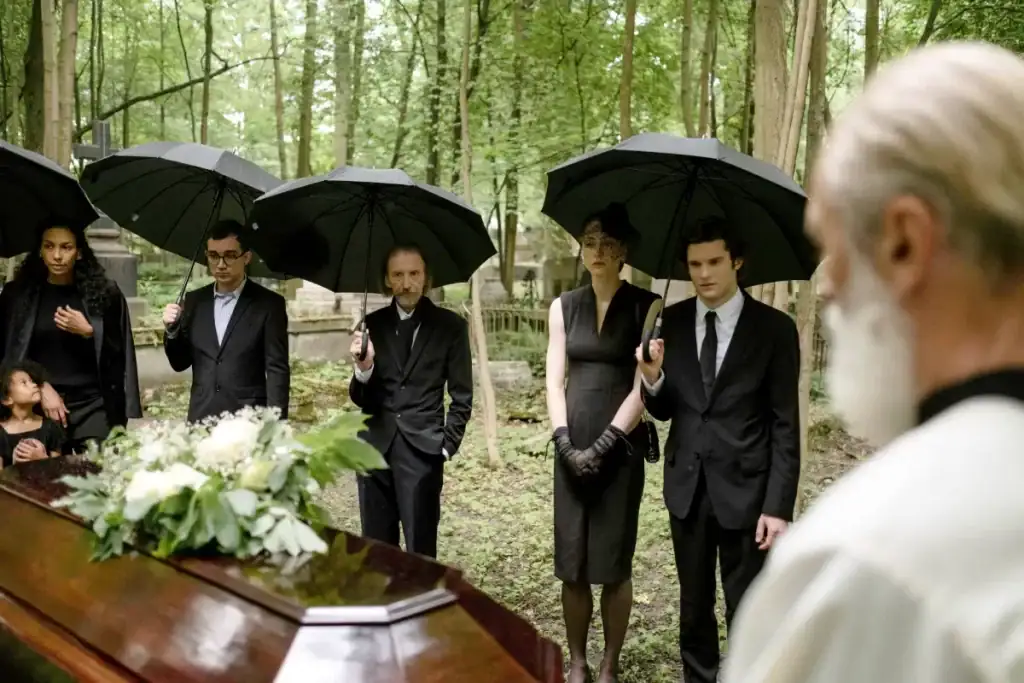
In the past, funerals were largely predictable—somber services held in churches or funeral homes, followed by graveside ceremonies and modest gatherings of family and friends. While these customs remain meaningful for many, today’s families are reshaping how they honor and remember loved ones.
Across cultures and generations, funeral traditions are evolving in ways that blend personal expression, technology, environmental awareness, and a renewed focus on celebrating life rather than mourning loss. This shift is redefining what remembrance means in the modern age.
From Tradition to Personalization
For generations, funeral practices followed cultural or religious expectations, often leaving little room for individuality. Now, many families are embracing personalization—crafting services that reflect the essence, passions, and stories of the person being remembered.
Instead of standard readings and hymns, services might feature favorite songs, photo slideshows, or video montages. Some include live music or performances by family members. Others choose venues beyond the traditional chapel—beaches, gardens, community centers, or even the family home.
This transformation represents a broader cultural trend: people want authenticity in every part of life—and death. A funeral no longer has to be a formula; it can be an experience that captures who someone truly was.
The Rise of “Celebrations of Life”
The phrase “celebration of life” has become common in recent years, emphasizing joy, gratitude, and connection rather than sorrow alone. These gatherings often take place after the traditional funeral, or sometimes replace it entirely.
A celebration of life might resemble a reunion or party—with laughter, storytelling, and food that reflects the loved one’s tastes. Families share favorite memories, play their loved one’s favorite music, or display mementos that tell their story.
This approach doesn’t dismiss grief—it channels it differently. By focusing on the life lived rather than the life lost, these events help families find comfort through shared remembrance.
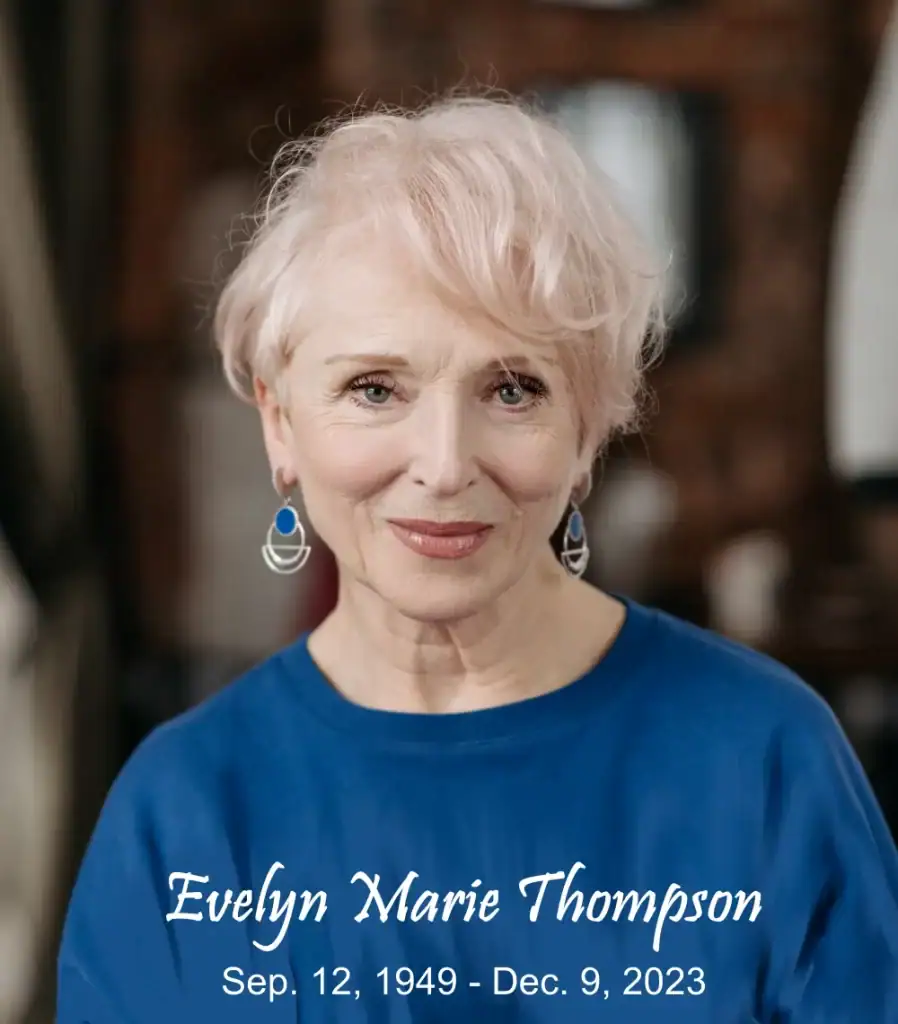
Honor your loved ones’ memories…
– with DrawAdz custom Story Books & Creative Videos.
Technology’s Growing Role in Memorials
Technology is transforming remembrance in powerful ways. Livestreamed funerals, once rare, are now commonplace—especially after the COVID-19 pandemic made virtual attendance a necessity. Families can now include loved ones from across the country or around the world, ensuring no one is left out of saying goodbye.
Digital memorials, websites, and social media pages have also become extensions of remembrance. These online spaces allow friends and family to post stories, photos, and condolences long after the service is over, creating a living archive of love.
In addition, funeral professionals are using digital tools to design multimedia tributes and personalized keepsakes—from QR codes on headstones linking to memorial pages, to video documentaries that celebrate a person’s legacy.

Have a custom Story Book or Commemorative Video made to honor your loved one … Celebrate the journey of that special person who has now passed away.
Eco-Conscious Farewells
As environmental awareness grows, so too does interest in sustainable funeral options. Families are increasingly choosing green burials—where biodegradable caskets or burial shrouds are used, and embalming chemicals are avoided.
Cremation, while popular, is being reexamined for its environmental impact. Alternatives like water cremation (alkaline hydrolysis) and natural organic reduction (also known as human composting) are emerging as eco-friendly options that honor both life and the planet.
Even traditional cemeteries are adapting, offering “green” sections with native plants, natural markers, and eco-friendly landscaping. These choices reflect a deepening connection between remembrance and environmental responsibility.
Cultural Blending and Global Influence
Modern families are increasingly diverse, and funeral practices are beginning to reflect this multicultural reality. Traditions from different faiths and cultures are blending in unique ways—creating hybrid ceremonies that honor both heritage and individuality.
For instance, a family might combine Christian prayers with Buddhist chanting, or pair Indigenous smudging rituals with a Western-style memorial service. Others incorporate symbols or practices from their ancestral roots, even if they weren’t part of everyday life before.
This blending of customs allows families to express a more inclusive and holistic understanding of remembrance—one that respects both tradition and modern identity.
Discover the enduring impact of one woman’s remarkable life journey.
Memorialization Beyond the Ceremony
Remembrance today extends far beyond the day of the funeral. Families are finding creative, lasting ways to honor their loved ones long-term.
Some establish charitable funds, scholarships, or annual community events in memory of a loved one. Others plant trees, dedicate park benches, or create works of art inspired by their memory.
Personal keepsakes are evolving too—ashes can be transformed into diamonds, glass art, or even incorporated into tattoos or vinyl records. These tangible connections help carry a loved one’s presence forward in daily life.
The Role of Funeral Professionals in a Changing Landscape
As funeral traditions evolve, funeral directors and hospice professionals are adapting too. They’re becoming not just facilitators of services, but storytellers, planners, and compassionate guides through a deeply personal process.
Today’s funeral professionals help families navigate countless choices—from memorial design to grief resources—while balancing emotional care with logistical expertise. Their role is evolving from tradition keepers to creative partners in remembrance.

Do you work in the end-of-life care or funeral industries?
Support grieving families with the opportunity to receive extra compensation.
A New Era of Meaningful Farewells
The evolution of funeral traditions isn’t about abandoning the past—it’s about honoring it while embracing the present. What remains constant is the universal need for remembrance, connection, and closure.
In this new era, families have the freedom to craft farewells that feel authentic—whether deeply spiritual, environmentally conscious, technologically enhanced, or joyfully unconventional.
Ultimately, the heart of remembrance lies not in ritual itself, but in love—the enduring bond that transcends time, culture, and tradition. As families continue to redefine what it means to say goodbye, they are also redefining what it means to remember.