
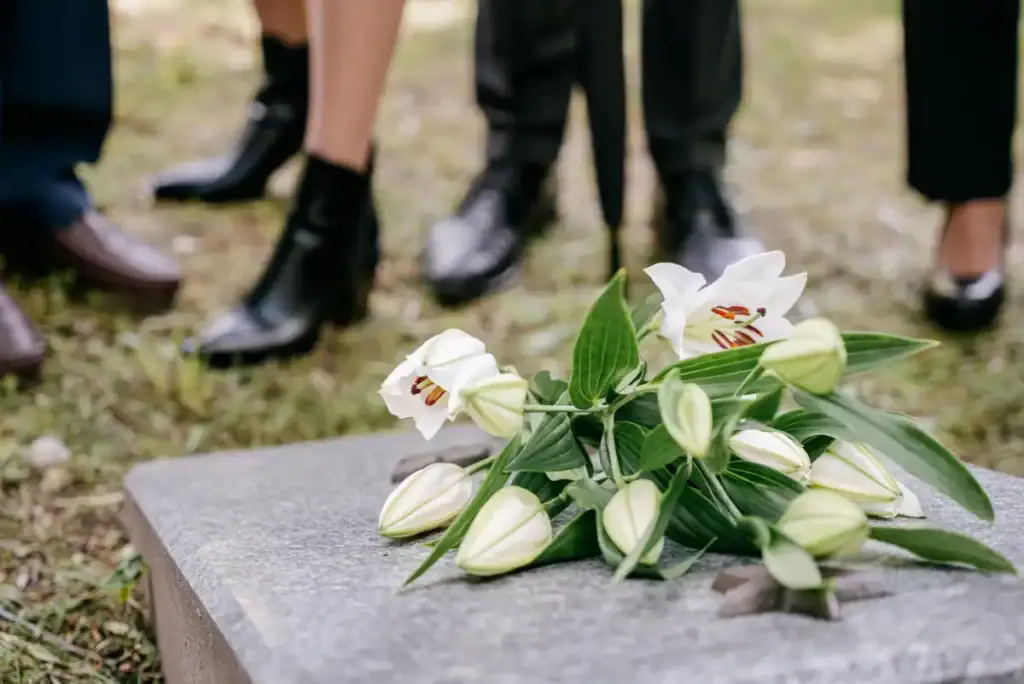
Beyond the Service: Creative
Approaches to Modern Memorial Planning
In times past, a memorial or funeral followed a familiar pattern: a formal service, a eulogy, perhaps a hymn, and a gathering afterward. These traditions have long provided structure and comfort. Yet, as society evolves, so too does the way we grieve, remember, and celebrate the lives of those we’ve lost.
Today, families are moving beyond the service—reimagining memorials as creative, meaningful experiences that reflect individuality, connection, and legacy. The modern memorial is not just about saying goodbye. It’s about telling a story, sharing community, and finding healing through authentic expression.
The Changing Landscape of Remembrance
Modern memorial planning reflects broader cultural shifts. We live in a time that values personalization and self-expression, where milestones—births, weddings, retirements—are tailored to reflect personality and purpose. It’s natural, then, that memorials are evolving in the same direction.
More people are asking: How can we make this tribute feel like them?
For some, that means blending traditional rituals with contemporary touches. For others, it means stepping entirely outside the boundaries of convention—hosting celebrations of life that feel joyful, intimate, or even artistic.
This evolution doesn’t diminish the solemnity of loss. Rather, it expands the language of grief, making space for laughter, creativity, and hope alongside sorrow.
Honor your loved ones’ memories…
– with DrawAdz custom Story Books & Creative Videos.
Personalization: The Heart of Modern Memorials
Every life is a story, and no two stories are the same. Thoughtful memorial planning honors that uniqueness by weaving personality, values, and memories into the experience.
Here are some creative ways families are personalizing memorials today:
Storytelling Gatherings: Instead of a single eulogy, invite guests to share short stories, anecdotes, or lessons learned from the person’s life. These spontaneous moments often reveal unexpected humor, tenderness, and truth.
Memory Displays: Tables or stations filled with photographs, journals, favorite books, or meaningful objects can invite reflection and conversation. A well-worn guitar, a favorite apron, or hiking boots can speak louder than words.
Music with Meaning: Move beyond traditional hymns to include songs that shaped the person’s life—everything from jazz classics to folk tunes or a playlist they loved on morning drives.
Interactive Tributes: Set up a “memory wall” or digital message board where guests can write notes, upload photos, or share memories in real time.
These touches transform memorials from formal events into experiences of storytelling and connection—moments where memory feels alive rather than distant.

Have a custom Story Book or Commemorative Video made to honor your loved one … Celebrate the journey of that special person who has now passed away.
Nature as Sanctuary
One of the most profound shifts in modern memorial planning is the growing desire to reconnect with nature. Outdoor memorials in gardens, beaches, forests, or family backyards offer a sense of renewal and peace.
Tree-planting ceremonies, scattering ashes at a beloved hiking trail, or dedicating a park bench in someone’s name allow loved ones to blend remembrance with life’s ongoing cycles.
Nature-based tributes remind us that grief, too, is part of a natural rhythm—a process of letting go, renewing, and continuing in a different form.
Technology and the Digital Legacy
The digital age has reshaped how we remember. While technology can never replace physical presence, it offers powerful new tools for connection and storytelling.
Virtual Memorials: For families spread across the globe, live-streamed or hybrid services make participation possible for everyone.
Online Tributes: Memorial websites and digital scrapbooks allow friends and family to post photos, letters, or videos—creating a living archive of love and memory.
Digital Legacy Planning: Increasingly, individuals are curating their own “digital legacies,” preserving messages, playlists, or photo collections to be shared after they’re gone.
These tools help ensure that memories continue to be shared, revisited, and cherished across time and distance.
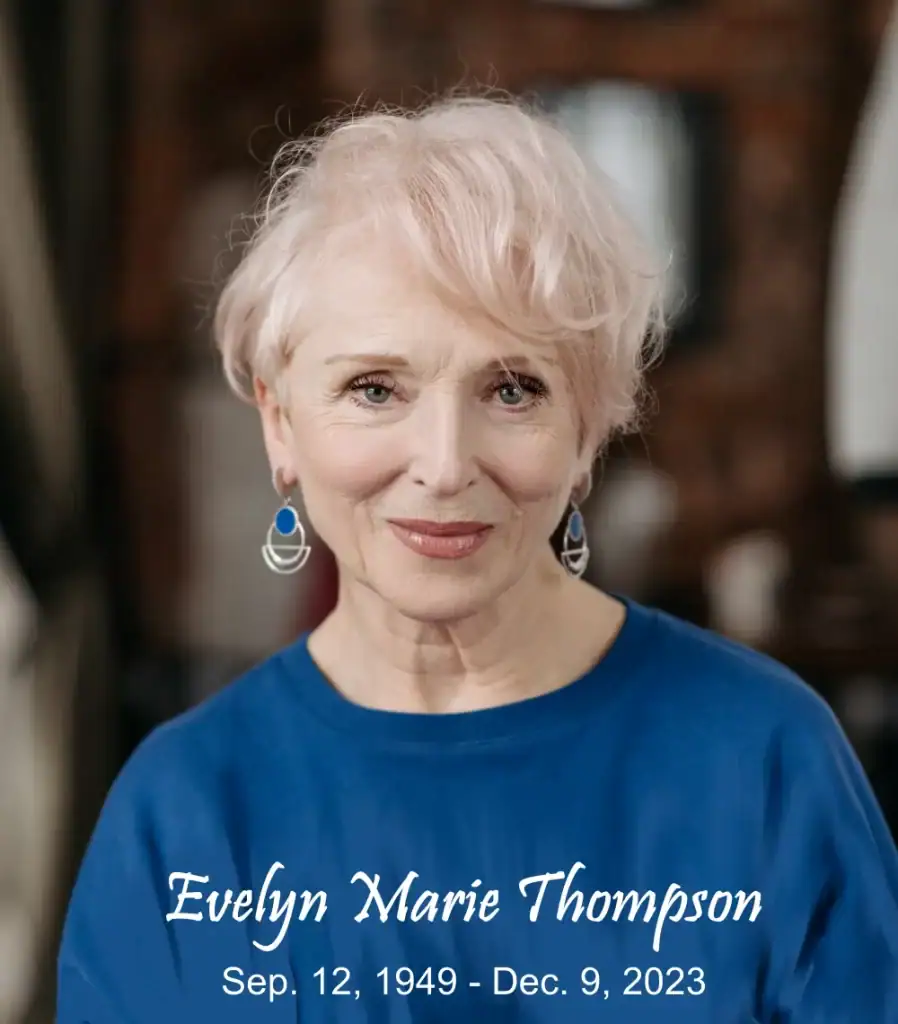
Discover the enduring impact of one woman’s remarkable life journey.
The Rise of Celebration-of-Life Events
The term celebration of life has become more common in recent years, reflecting a shift from mourning loss to celebrating impact. These events often include favorite foods, music, and storytelling in informal settings such as community centers, gardens, or even family homes.
Some celebrations take creative turns:
A film screening of home videos or favorite movies
A charity fundraiser in the person’s honor
A community art project or mural that reflects their passions
A dinner party featuring their favorite recipes and stories
These gatherings blur the line between memorial and celebration—reminding us that a well-lived life is something to be remembered with joy as well as reverence.

Do you work in the end-of-life care or funeral industries?
Support grieving families with the opportunity to receive compensation.
Collaborative Healing Through Creativity
Creative memorial planning is not only about honoring the deceased—it’s also about supporting the living. Engaging family and friends in the planning process fosters collective healing.
Writing a group poem, creating a photo collage, recording a shared playlist, or assembling a memory book allows participants to process grief actively rather than passively. These shared acts of creativity can be profoundly therapeutic, transforming pain into meaning.
When everyone contributes something—a story, an object, a song—they help build a tribute that feels authentic and communal.
The Value of Pre-Planning
While memorials often take shape after a loss, more people are choosing to plan their own in advance. This proactive approach provides peace of mind, ensuring that personal wishes are honored and reducing decision-making stress for loved ones.
Pre-planning also invites reflection: What kind of legacy do I want to leave? What stories should be told about my life?
Answering these questions isn’t about control—it’s about generosity. It’s a final act of care, offering guidance and clarity to those who will one day remember you.
Redefining What It Means to Remember
Moving beyond the service doesn’t mean leaving tradition behind. It means reinterpreting it. The most meaningful memorials blend the timeless with the new—the solemnity of ritual with the vibrancy of personal expression.
Whether held in a chapel or a backyard, a gallery or a garden, the essence remains the same: to honor a life with truth, tenderness, and creativity.
When we embrace modern approaches to memorial planning, we expand our capacity to grieve and to love. We turn remembrance into an act of artistry—a reflection not only of who someone was, but of how deeply they continue to live in the hearts of those who remember.
Final Reflection
Beyond the service lies an opportunity—to celebrate individuality, to connect generations, and to transform farewell into legacy.
Through creativity, compassion, and thoughtful planning, every memorial can become what it was always meant to be: a beautiful reflection of a life that mattered.