

Beyond Stages of Grief: What Psychology
Teaches Us About Supporting Families in Transition
For decades, the “five stages of grief” model—denial, anger, bargaining, depression, and acceptance—has been one of the most recognized frameworks in understanding loss. Originating from Dr. Elisabeth Kübler-Ross’s groundbreaking work in the late 1960s, the model provided language for emotions that once seemed too overwhelming to describe.
Yet, while those stages opened important conversations about death and dying, they were never meant to be a rigid roadmap. Over time, popular culture simplified them into a linear sequence: first denial, then anger, and so on—implying that grief is something to be completed rather than lived through and integrated.
Modern grief psychology paints a far more complex, compassionate picture. Grief, as we now understand it, is not a checklist—it’s a transition, a psychological and emotional process that unfolds differently for everyone. For care professionals, family caregivers, and anyone walking beside the bereaved, understanding this evolving science is key to offering genuine support.
1. The Myth of Linear Grief: A Cycle, Not a Sequence
The first and most important insight from contemporary grief research is this: people do not move through grief in neat, predictable stages. Instead, they oscillate between pain and adaptation, between yearning and rebuilding.
Dr. Margaret Stroebe and Dr. Henk Schut’s Dual Process Model offers a more flexible understanding. It describes how mourners move back and forth between two essential modes:
Loss-oriented coping, which involves confronting the pain, reminiscing, or feeling sorrow.
Restoration-oriented coping, which focuses on rebuilding routines, roles, and meaning.
Healthy grieving doesn’t mean being “done” with one and moving on to the other—it’s the rhythm between the two that allows for healing. Professionals who understand this dynamic can better reassure families that it’s normal to feel fine one day and shattered the next. Grief is not regression; it’s recalibration.
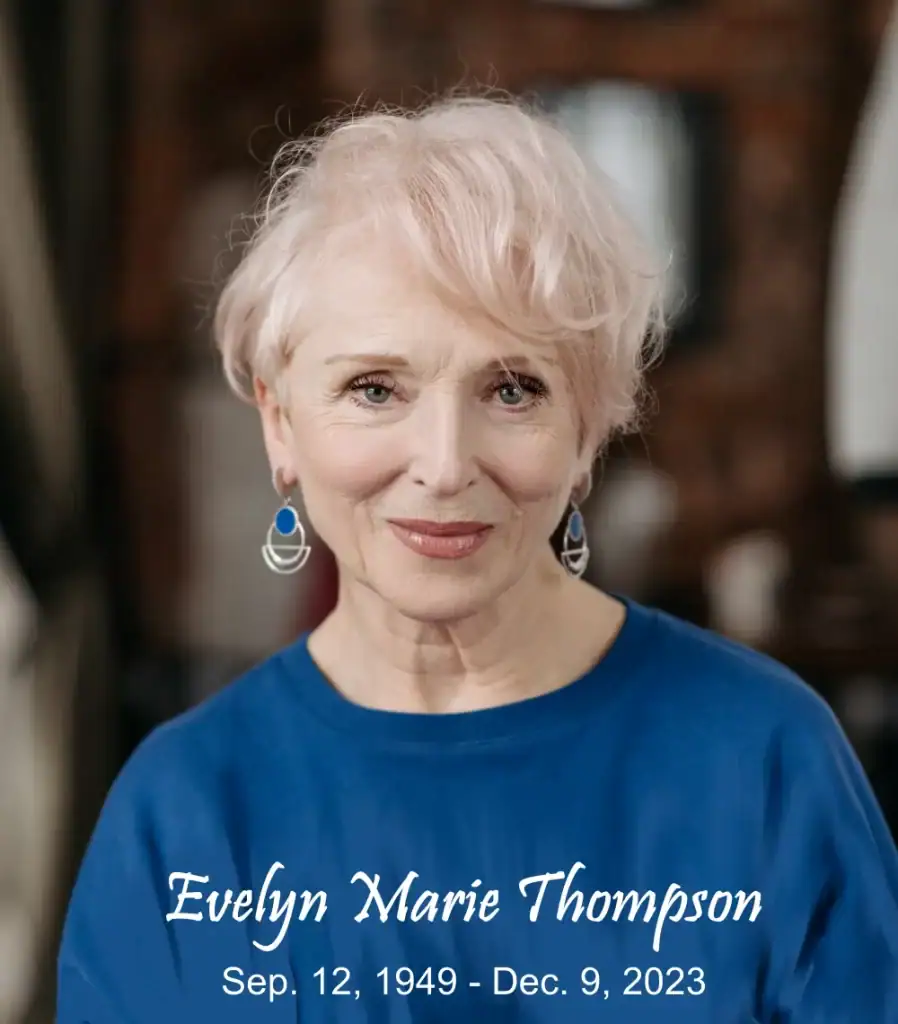
Honor your loved ones’ memories…
– with DrawAdz custom Story Books & Creative Videos.
2. The Brain in Transition: Why Grief Feels Disorienting
Psychologists and neuro-scientists now know that grief impacts cognition as much as emotion. The brain’s attachment systems—especially the amygdala and prefrontal cortex—struggle to reconcile the absence of a loved one who has long been encoded as “safe” and “familiar.”
This mismatch explains why the bereaved often describe feeling like they are “in a fog,” or why they might expect their loved one to walk through the door even months after the death. It isn’t denial; it’s the brain’s adaptive confusion as it rewires attachment patterns.
For professionals, recognizing this neurological basis of grief can shift the way we communicate. Instead of telling families to “move on,” we can validate their lived experience: “Your mind is still catching up with what your heart already knows.”
Understanding that grief literally changes the way people think helps care providers approach families with patience, not pressure.
3. Meaning-Making: The True Work of Healing
Perhaps the most transformative idea in contemporary grief psychology is the role of meaning reconstruction. Dr. Robert Neimeyer and other leading scholars emphasize that after loss, the human psyche must rebuild its sense of coherence and purpose.
A loved one’s death doesn’t just remove a person from our lives—it challenges the very framework of how we understand the world. Who am I now that they’re gone? What does my life mean without them?
Professionals who assist families can foster healing by inviting gentle reflection, not forced closure. Questions such as:
“What have you learned about love or life through this loss?”
“How might your loved one’s legacy continue in the choices you make?”
help turn pain into meaning. This process doesn’t erase grief—it transforms it into something more bearable and integrated.
Meaning-making, in essence, allows the bereaved to carry the relationship forward in memory and action, rather than leaving it behind.

Have a custom Story Book or Commemorative Video made to honor your loved one … Celebrate the journey of that special person who has now passed away.
4. From “Closure” to Continuing Bonds
Another major evolution in grief psychology is the rejection of the notion of closure. The idea that people must “let go” of the deceased to move on is both unrealistic and, often, emotionally damaging.
Instead, research supports the concept of continuing bonds—maintaining an enduring, internal relationship with the deceased through memories, rituals, or daily reflection.
For example, a widow may still talk to her husband while gardening, or a family might celebrate a lost child’s birthday each year with an act of kindness in their name. Far from unhealthy, these practices help integrate loss into life’s ongoing narrative.
As Dr. Dennis Klass, a pioneer of this concept, noted, “The dead are not absent—they are transformed.” Professionals who validate these ongoing connections help families find comfort in remembering rather than guilt in holding on.
Discover the enduring impact of one woman’s remarkable life journey.
5. Supporting Families in Transition: Practical Applications
Understanding grief’s psychological depth is only the first step; applying it to real-world care is where it matters most. Professionals who accompany families—whether in hospice, funeral service, counseling, or spiritual care—play a pivotal role in guiding these transitions.
Here are several evidence-informed approaches that can strengthen support:
Listen for patterns, not progress. Instead of measuring where someone “should be,” observe how they move between loss and restoration.
Avoid prescriptive timelines. Encourage self-compassion by affirming that grief has no schedule.
Encourage ritual and story. Personalized rituals and storytelling help externalize emotion and anchor meaning.
Model calm presence. Families often mirror the emotional tone of caregivers; grounded professionals help them feel safe enough to grieve authentically.
Support resilience, not avoidance. Helping families identify coping strengths—spirituality, humor, connection—empowers them to navigate future challenges.
Grief-informed care blends psychology with presence: it’s not about fixing pain but accompanying it with understanding.

Do you work in the end-of-life care or funeral industries?
Support grieving families with the opportunity to receive compensation.
6. The Professional’s Own Journey: Bearing Witness with Wisdom
Working with grief also changes the caregiver. Compassion fatigue and empathic strain are real risks for those who routinely encounter loss. Yet, self-awareness and emotional literacy can transform these experiences into sources of growth rather than depletion.
By reflecting on their own beliefs about death, meaning, and resilience, professionals deepen their empathy without losing their grounding. In this way, grief work becomes a shared human experience—one that connects, rather than divides, caregiver and client.
As one bereavement counselor observed, “We don’t walk people out of grief—we walk with them through it.”
Conclusion: A More Human Understanding of Grief
To move beyond the “stages of grief” is not to reject Kübler-Ross’s insights, but to build upon them. Her legacy opened the door to conversations that psychology has since expanded—revealing that grief is not a set of stages but a lifelong relationship with love, loss, and meaning.
For families in transition, this understanding offers comfort: grief is not failure, not disorder, and not a sign of weakness. It is a normal, adaptive response to having loved deeply.
For professionals, it provides a new lens for compassionate care—one rooted in patience, presence, and psychological wisdom. When we understand grief as a living process rather than a fixed path, we empower families not just to survive loss, but to grow through it.