
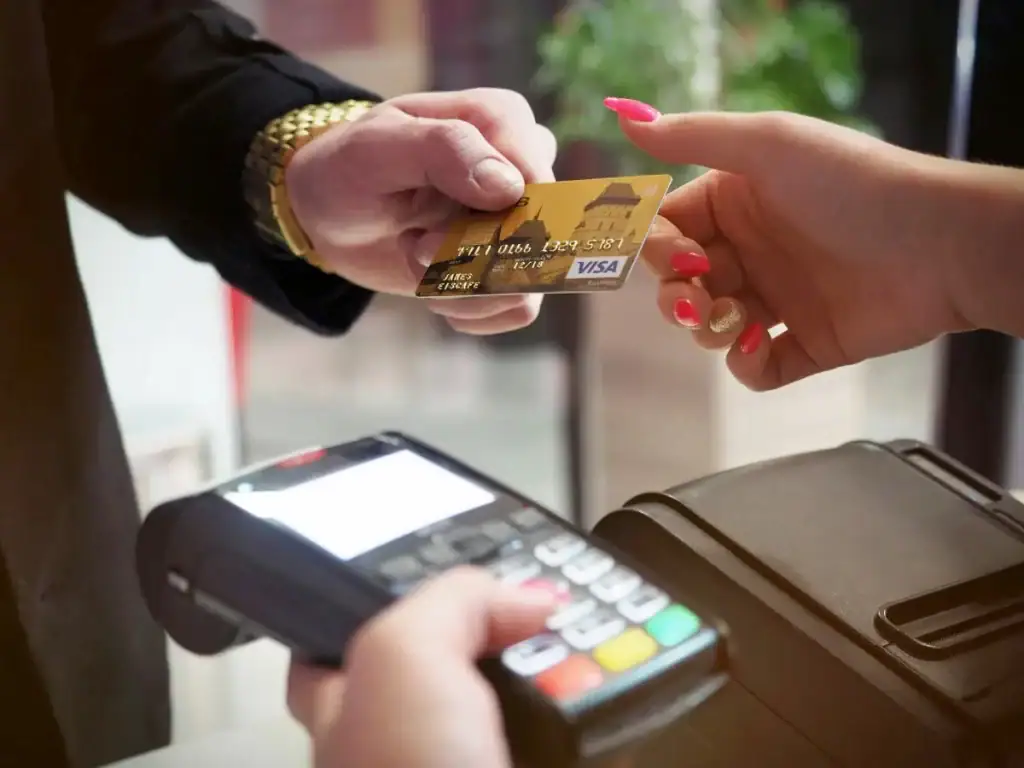
The Psychology of Why People Buy (And How Small Businesses Can Use It)
Every purchase decision—whether it’s a morning coffee or a six-figure business deal—starts in the same place: the human mind.
Understanding why people buy isn’t just fascinating psychology; it’s a powerful advantage for any small business. While big corporations have teams of behavioral scientists and data analysts decoding consumer behavior, small businesses can use the same psychological principles—simply and effectively—to attract more customers and drive more sales.
Here’s what the science says about why people buy—and how you can use it to win hearts, minds, and wallets.
1. People Buy Emotionally, Justify Logically
One of the most studied truths in consumer psychology is that emotions drive decisions—logic justifies them after the fact.
Neuroscientist Antonio Damasio’s research found that people who can’t feel emotions struggle to make even simple choices. This means that no matter how practical your product is, emotion plays a leading role.
How to use it:
Tell emotional stories. People connect with people, not product specs. Share customer success stories or your founder’s journey.
Use emotionally charged words. Words like secure, confident, free, inspired, and belonging evoke feelings that move people.
Appeal to core desires: happiness, security, love, status, and belonging. Your message should answer: “How will this make their life better?”
2. People Crave Belonging
From the clothes we wear to the brands we follow, humans are social creatures driven by the need to belong. When someone buys from your business, they’re often buying membership in a community—your brand tribe.
How to use it:
Create community around your brand. Encourage user-generated content, reviews, or testimonials that showcase real customers.
Use inclusive language. Say “Join us,” not “Buy from us.”
Feature your customers. Showcase their stories, photos, and milestones to signal that being part of your brand means being part of something bigger.

Attract more buying customers for your product or service … with DrawAdz artistic creative videos.
3. Trust Is the New Currency
Buying is a risk. People naturally fear wasting money, time, or trust. That’s why credibility and consistency are key. Research shows that consumers need multiple “trust points” before committing to a purchase.
How to use it:
Be transparent. Display clear pricing, guarantees, and return policies.
Show social proof. Reviews, testimonials, and endorsements from satisfied customers reduce perceived risk.
Be human. Share behind-the-scenes moments, your team’s story, or your local involvement. Authenticity beats polish every time.
4. Scarcity and Urgency Trigger Action
We are wired to respond to scarcity. When something seems limited, our brain interprets it as more valuable. This “fear of missing out” (FOMO) drives quick decisions and reduces procrastination.
How to use it ethically:
Use real scarcity. Limited-time offers, seasonal products, or limited spots for a service create legitimate urgency.
Show countdowns or stock levels. Simple visual cues like “Only 3 left!” can prompt action.
Pair with value. Scarcity works best when people already want what you offer—it should never feel manipulative.

5. The Power of Reciprocity
People are wired to return favors. Give something of value—information, samples, advice—and customers naturally feel more inclined to give back, often through engagement or purchase.
How to use it:
Offer value first. Free resources, helpful guides, or small gifts build goodwill.
Use “thank you” strategically. Thank customers with exclusive discounts or insider perks.
Educate, don’t just sell. When your marketing helps someone before they buy, you’ve already earned part of their trust.
6. People Follow Social Proof
When uncertain, humans look to others for guidance. This is why testimonials, case studies, and “most popular” labels are so effective.
How to use it:
Highlight top-sellers or trending items. Labels like “Our most loved” or “Customer favorite” guide buyers toward trusted options.
Use specific testimonials. “This saved me 10 hours a week” is more powerful than “Great product!”
Show real people. Photos and names create authenticity and relatability.
7. Simplicity Sells
The paradox of choice is real: when people are overwhelmed with too many options, they freeze. Psychologist Barry Schwartz found that simplifying choices leads to higher satisfaction and conversion.
How to use it:
Limit choices. Offer clear “good, better, best” options instead of a long list.
Clarify next steps. Each page or ad should lead customers to one clear action.
Streamline the buying process. The fewer clicks and decisions, the more likely a sale.
8. Consistency Builds Loyalty
Once someone identifies with your brand, they’re more likely to stay consistent with that identity. Psychologists call this the commitment and consistency principle.
How to use it:
Start small. Get customers to make small commitments (like joining your newsletter or trying a free sample).
Reward loyalty. Offer repeat customers special access or recognition.
Stay consistent in voice and values. People want to feel they’re supporting the same trustworthy brand every time.
9. Authority Influences Decisions
People tend to trust experts and established authorities. When you position yourself as knowledgeable and credible, customers feel safer buying from you.
How to use it:
Show credentials and experience. Display certifications, awards, or partnerships.
Share educational content. Write articles, host webinars, or post “how-to” videos.
Leverage endorsements. Collaborate with trusted local figures or industry influencers.
10. The Desire for Progress and Transformation
At the core of every purchase is a simple question: Who do I want to become? Whether it’s getting fitter, more confident, or more successful, customers buy the promise of transformation.
How to use it:
Sell the outcome, not the product. Focus on what life looks like after they buy.
Use before-and-after stories. Transformation inspires action.
Show progress. Encourage customers to track results and share milestones.
Final Thoughts
The psychology of buying isn’t manipulation—it’s empathy. When you understand what drives people, you can market in ways that feel more human, more authentic, and more effective.
For small businesses, this knowledge levels the playing field. You don’t need massive budgets—just a deep understanding of what your customers care about and how they make decisions.
When you master that, sales become less about “convincing” and more about connecting.