
The Modern Couple: How Brides and
Grooms Are Redefining Wedding Traditions
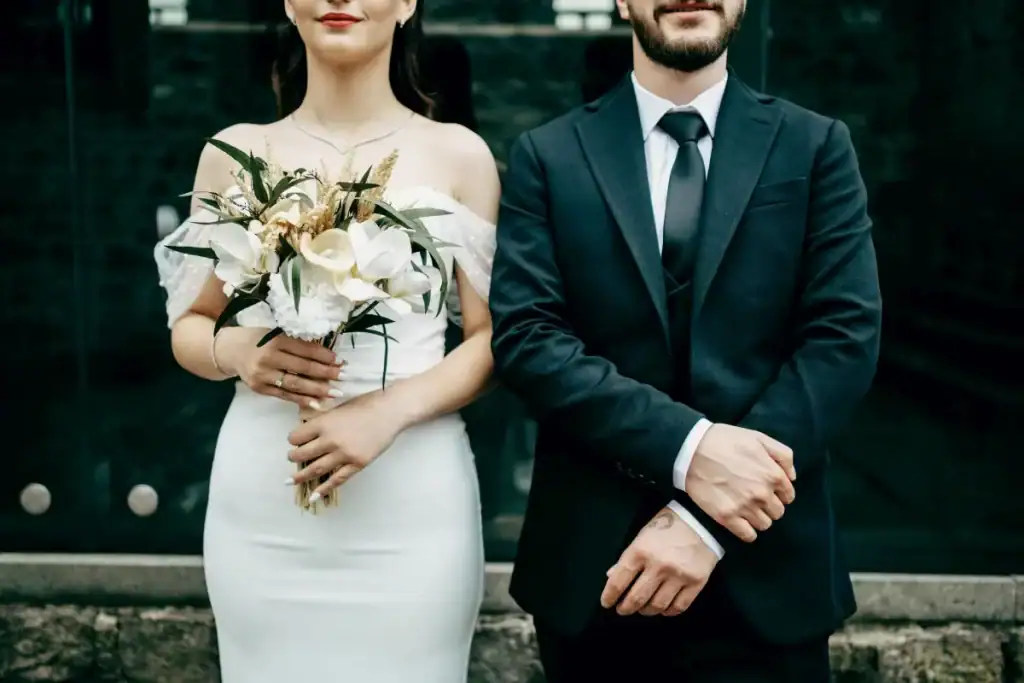
For generations, weddings followed a familiar script: a white dress, a black tuxedo, a church aisle, and a neatly choreographed series of rituals. But in recent years, that script has been rewritten—sometimes lightly edited, sometimes entirely replaced. The modern couple is redefining what it means to celebrate love, turning weddings into deeply personal reflections of who they are rather than simply reproductions of what’s expected.
This shift is not a rejection of tradition but a reimagining of it. Today’s brides and grooms are asking thoughtful questions: Why do we do this? What does this mean for us? How can our wedding reflect our values, story, and future together? The answers are reshaping everything from attire to venues to vows.
1. The Rise of “Our Way” Over “The Right Way”
One of the most noticeable changes in modern weddings is the shift from rigid norms to personal expression. Couples are no longer content to simply “follow the rules.” Instead, they’re choosing elements that resonate emotionally and discarding those that don’t.
Traditional church ceremonies, for instance, are being replaced—or complemented—by mountaintop elopements, backyard gatherings, art galleries, or city rooftops. The goal is no longer to impress but to express.
Many couples now curate their weddings the way they might design a home or plan a trip: with authenticity and intention. This personalization extends to every detail—handwritten vows, playlists instead of live bands, food trucks instead of formal plated dinners. The emphasis is on comfort, creativity, and connection rather than perfection.
Commemorate you own love story!
– with DrawAdz custom Story Books & Creative Videos.
2. Shared Planning and Equal Partnership
Once upon a time, wedding planning was seen as the bride’s domain, with the groom stepping in primarily for the tux fitting or cake tasting. Today’s couples are dismantling that gendered narrative.
Modern brides and grooms plan together, make decisions together, and share emotional and logistical responsibilities equally. Online wedding tools and shared spreadsheets have made collaboration easier, but the deeper shift is cultural: both partners want their voices represented.
From color palettes to ceremony wording, modern weddings are increasingly co-created. The result? Events that feel balanced and inclusive—a true reflection of two people, not one person’s vision.

Have a custom Story Book or Commemorative Video made as a tribute to your love & wedding story! … Celebrate the journey that created your special bond.
3. Fashion Beyond Gender and Convention
Wedding attire, once a strict black-and-white affair, has become a playground for individuality. Brides are choosing sleek pantsuits, colored gowns, or vintage-inspired silhouettes. Grooms experiment with bold textures, jewel tones, and patterns once reserved for women’s fashion.
The traditional symbolism of white as “purity” and black as “formality” has given way to a more expansive definition of beauty. What matters most now is alignment with personal style and comfort.
Same-sex and non-binary couples have also expanded the conversation around wedding attire. Coordinated looks often replace “his and hers,” highlighting unity without enforcing outdated gender expectations. Designers are responding, too, offering gender-fluid collections that celebrate diversity and self-expression.
Discover the enduring love of one couple’s journey of love.
4. Values at the Center: Sustainability, Inclusivity, and Purpose
Today’s weddings often double as reflections of social and environmental awareness. As millennials and Gen Zers tie the knot, they’re asking their weddings to align with their values.
Sustainability plays a major role: locally sourced catering, vintage or rented attire, digital invitations, and eco-friendly décor are becoming standard. Many couples are even opting for secondhand rings or lab-grown diamonds to reduce environmental impact.
Inclusivity is another hallmark. Ceremonies now incorporate multiple cultures, faiths, and languages to honor both families or simply reflect the couple’s worldview. Diverse wedding parties—mixed genders, ages, and orientations—are common, reinforcing the message that love transcends categories.
And in place of traditional gift registries, some couples encourage charitable donations or experiences. A wedding, in this new era, is not just a personal milestone—it’s a statement of shared values.

Do you work in the wedding or relationships industry? You could make money by referring couples who decide to purchase a custom love & wedding story book or video.
5. Technology and the “Connected” Celebration
Digital innovation has also reshaped the wedding landscape. From live-streaming ceremonies for distant loved ones to using AI tools for planning and budgeting, technology now plays an essential supporting role.
Social media has both democratized and personalized the wedding experience. Couples use Instagram and Pinterest for inspiration, but increasingly they’re also sharing behind-the-scenes moments and authentic stories rather than just polished perfection.
However, many couples are also creating “unplugged” ceremonies, asking guests to put away phones and be fully present. It’s a balance between embracing technology’s benefits and preserving the intimacy of the moment.
6. Breaking the Silence Around Money and Mental Health
Another defining trait of modern couples is transparency—especially around topics once considered taboo, like finances and emotional well-being.
Joint budgeting, prenups, and debt discussions are happening earlier and more openly. Couples are mindful not just of the wedding day but of the financial health of their marriage. The average wedding still costs tens of thousands of dollars, but more couples are prioritizing smaller, more meaningful celebrations over extravagant productions.
Equally important, there’s growing awareness of wedding-related stress and anxiety. Mindfulness practices, therapy, and intentional downtime are now part of many couples’ planning processes. The focus has shifted from “the perfect day” to “the joyful beginning.”
Do you meet many couples who are getting married or celebrating their wedding anniversary? – Tell them about us!
Watch this video to see how you can…
7. Tradition, Transformed
Despite all the changes, few couples abandon tradition entirely. Instead, they reinterpret it. Some might include a symbolic “something old” in their attire, reword religious readings to fit their beliefs, or invite both parents to walk them down the aisle.
Tradition, in this modern context, becomes a palette—not a prescription. Couples pick colors and symbols that hold meaning, crafting a ceremony that feels timeless yet unmistakably their own.
A New Definition of “Happily Ever After”
Ultimately, the modern wedding isn’t about rejecting the past—it’s about embracing the future with intention. Brides and grooms today are less concerned with appearances and more focused on authenticity, equality, and emotional connection.
By redefining traditions, they’re not erasing them but expanding them—making space for more voices, more values, and more versions of love.
Because at its heart, a wedding has always been about one thing: two people choosing each other. Everything else—whether it’s a cathedral or a campsite, a white dress or a velvet suit—is simply how they tell their story.