
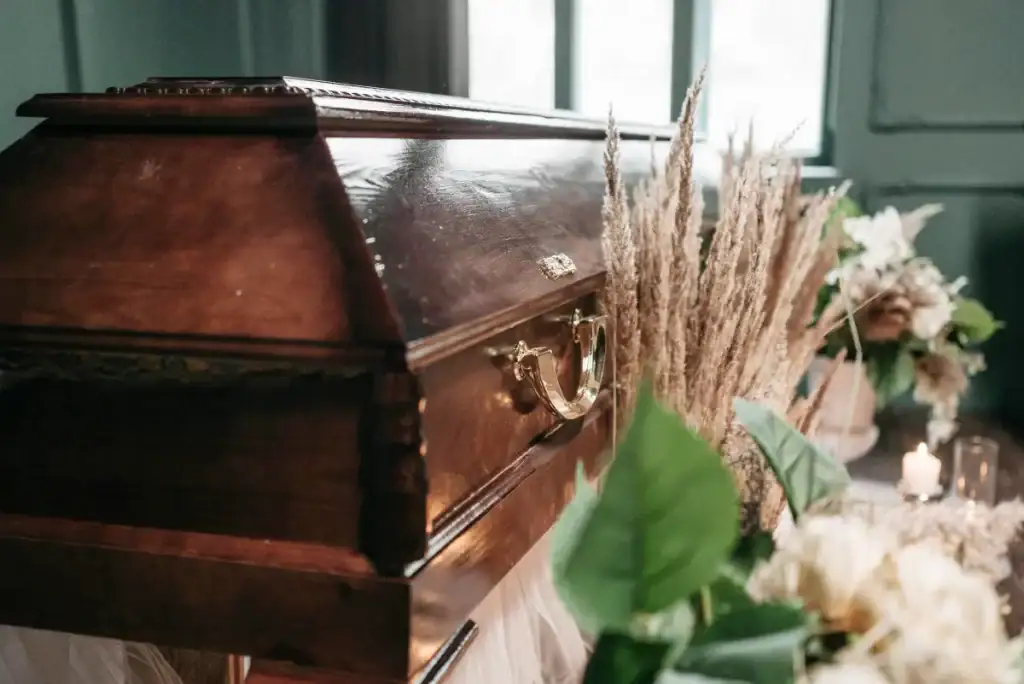
Guiding Families with Grace: The Professional’s
Role in Meaningful Memorial Design
Memorials are not simply ceremonies; they are stories—woven from love, loss, and legacy. And behind every thoughtfully crafted memorial stands a professional who helped translate a family’s grief into beauty and meaning.
Whether they are funeral directors, celebrants, event planners, or memorial designers, these professionals occupy a sacred intersection between service and art. Their role goes far beyond scheduling, paperwork, or logistics—it is about guiding families with grace through one of life’s most vulnerable moments.
The Changing Role of Memorial Professionals
In the past, memorial professionals often followed a more traditional, formulaic approach. Services adhered to predictable formats, and personalization was limited to names, hymns, and floral arrangements.
Today, expectations—and opportunities—have evolved. Families seek experiences that reflect individuality, values, and storytelling. They want ceremonies that feel like the person they loved, not a repetition of what came before.
As a result, the role of the professional has expanded. Today’s memorial planner is part listener, part designer, part counselor, and often a quiet healer. Their purpose is not only to manage details, but to create space for meaning—to turn grief into a lasting expression of love.
Listening as the Foundation of Meaning
The most essential tool in meaningful memorial design is not a catalog or a template—it’s the ability to listen.
When families sit down to plan, they are often navigating confusion and pain. In those moments, professionals who listen with patience and empathy can uncover the heart of a story waiting to be told.
It might emerge in subtle ways:
A father who mentions his daughter’s favorite trail becomes the seed of an outdoor memorial walk.
A son who recalls his mother’s laughter leads to a ceremony filled with joyful music.
A spouse’s reflection on a shared value—kindness, courage, creativity—becomes the theme that ties everything together.
Listening transforms the process from transactional to transformative. It signals to the family: Your loved one mattered. Their story will be honored.
Honor your loved ones’ memories…
– with DrawAdz custom Story Books & Creative Videos.
Balancing Professional Guidance with Personal Expression
Families often arrive with strong emotions but little clarity on what a “meaningful” memorial looks like. Professionals serve as both guides and collaborators—offering structure without stifling individuality.
This balance requires both sensitivity and skill. Too much control, and the process feels impersonal. Too little guidance, and families may feel overwhelmed.
The professional’s role is to curate possibilities, introducing creative ideas while ensuring they align with the family’s beliefs, budget, and comfort level. For example:
Suggesting memory tables, video tributes, or custom playlists that highlight personal stories.
Offering cultural or faith-based options that resonate authentically.
Providing logistical support that allows families to focus on connection rather than coordination.
When done gracefully, professional guidance empowers families to create something that feels deeply theirs—a memorial that reflects truth, not convention.

Have a custom Story Book or Commemorative Video made to honor your loved one … Celebrate the journey of that special person who has now passed away.
The Art of Collaboration
Meaningful memorials are rarely the work of one person alone. They emerge from collaboration—between families, celebrants, florists, musicians, designers, and venues.
Professionals who embrace collaboration understand that their expertise enhances, rather than replaces, the family’s vision. They facilitate communication, coordinate creative contributions, and ensure that every element—from timing to tone—works in harmony.
This collaborative spirit fosters trust. When families feel seen, heard, and supported, they can participate in the creative process with confidence. And that shared creation often becomes part of their healing.
Emotional Intelligence: The Invisible Skill
Technical expertise—organization, logistics, and planning—is essential. But emotional intelligence is what distinguishes truly exceptional memorial professionals.
Grief is unpredictable. Families may cycle through gratitude, frustration, or sorrow within a single conversation. A professional with emotional intelligence reads these moments with empathy and steadiness.
They know when to offer reassurance and when to give space. They recognize when a family needs comfort more than answers. They understand that silence can be as powerful as speech.
Grace, in this context, is not simply kindness—it’s the ability to maintain calm, compassion, and respect amid deep emotion.
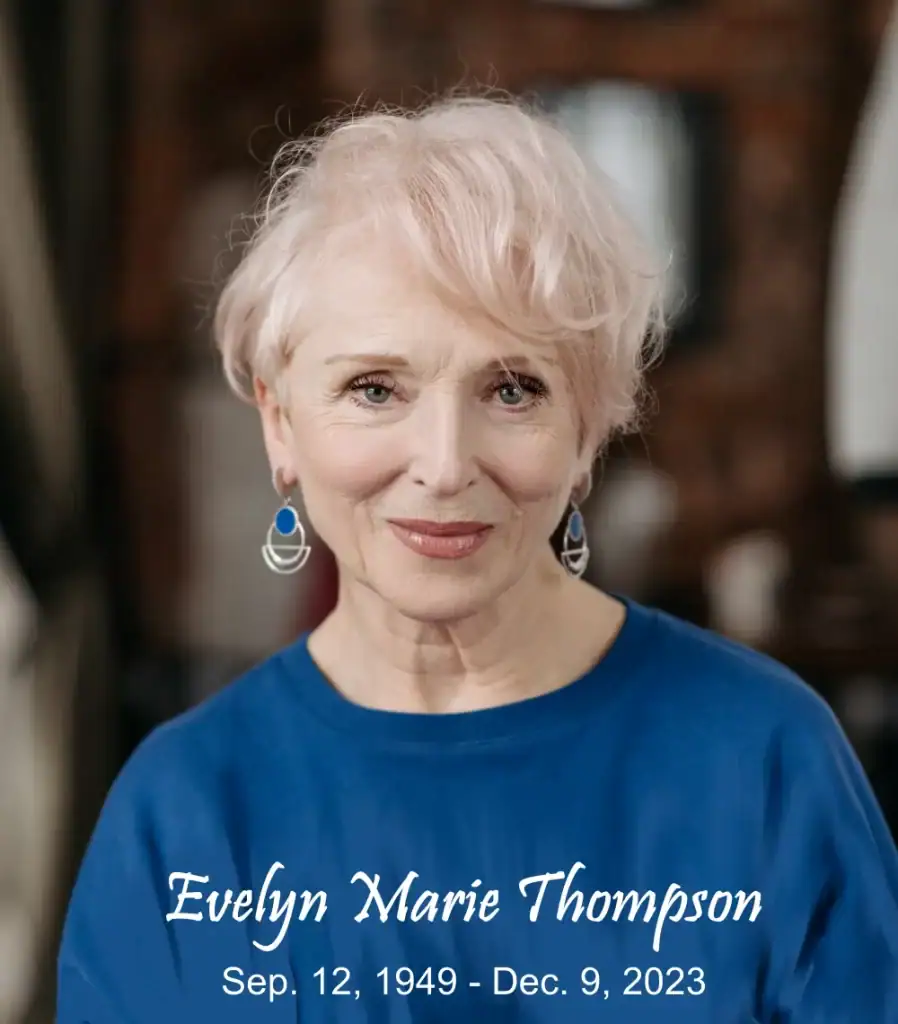
Discover the enduring impact of one woman’s remarkable life journey.
Creativity as a Bridge to Healing
Creative design in memorials is not about decoration; it’s about translation—turning a life’s essence into something tangible and lasting.
This might take the form of:
A memorial garden featuring the person’s favorite flowers.
A service where attendees write letters to be placed in a memory chest.
A digital tribute filled with stories, art, or music that reflect their spirit.
Creativity helps families move from pain to purpose. It gives shape to the intangible, allowing them to see love reflected back in a way that comforts and inspires.
For professionals, this creativity requires both innovation and intuition—knowing how to draw from tradition while embracing new forms of remembrance.

Do you work in the end-of-life care or funeral industries?
Support grieving families with the opportunity to receive compensation.
The Professional as Caregiver
At its heart, the role of a memorial professional is one of care. Care for the deceased, care for the living, and care for the stories that connect them.
Each interaction—each meeting, call, or ceremony—is an opportunity to model compassion and dignity. When professionals treat their work as both art and ministry, they transform transactions into acts of service.
In this way, memorial professionals become quiet architects of healing. They remind families that even in grief, beauty and meaning can be found.
The Legacy of Grace
Guiding families with grace doesn’t mean having all the answers—it means offering presence, understanding, and creativity at the moments they’re needed most.
The true mark of a professional in memorial design is not only the ceremony they create, but the comfort they leave behind. Families may not remember every logistical detail, but they will remember how they were treated—how they were listened to, supported, and guided with care.
In helping others honor a life, these professionals also help uphold the deeper truth of their work: that remembrance, when shaped with love and intention, has the power to heal.
Final Reflection
Meaningful memorial design is not just an event—it’s an act of storytelling, compassion, and artistry.
When professionals guide families with grace, they do more than plan services. They help craft legacies. They help carry love forward. And they remind us all that even in loss, there can be light, connection, and beauty.