
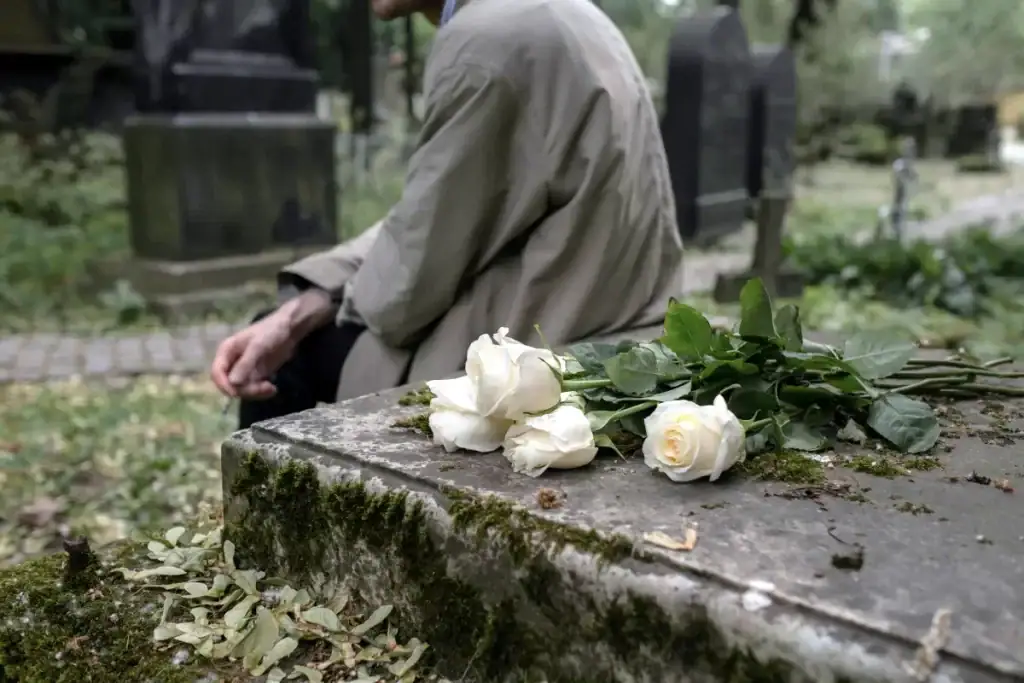
From Sympathy to Support: Transforming
Condolences into Lasting Care for the Bereaved
When loss touches someone we know, our first instinct is often to express sympathy. We send flowers, offer condolences, and say, “I’m so sorry for your loss.” These gestures are sincere—and deeply human—but they often mark the beginning, not the fulfillment, of what the bereaved truly need.
Grief doesn’t end when the funeral does. For those left behind, it’s a long, unpredictable journey that requires understanding, patience, and ongoing care. Transforming sympathy into genuine support means shifting from momentary compassion to sustained presence.
The Nature of Sympathy—and Its Limits
Sympathy is an emotional response; it recognizes pain and offers comfort. It is a social bridge that allows us to express care, even when we cannot fully comprehend another person’s suffering. But sympathy, while essential, has limitations.
Too often, it exists at a distance. We may feel for the bereaved but hesitate to step closer. Our discomfort with grief—especially in cultures that prize positivity and productivity—can cause us to retreat after initial condolences.
For the grieving person, this retreat can be isolating. The flood of messages in the first week often gives way to silence. Yet that’s precisely when the real weight of loss begins to settle in.
Moving from Sentiment to Sustained Support
True support for the bereaved requires a shift from emotion to action, from words to presence. This doesn’t mean doing grand things—it means doing consistent, thoughtful ones.
Here are key principles for transforming condolences into lasting care:

Honor your loved ones’ memories…
– with DrawAdz custom Story Books & Creative Videos.
1. Stay Present—After Everyone Else Has Gone
In the weeks and months following a death, the world tends to move on. The bereaved, however, often feel suspended in a different timeline. A simple check-in—a text, call, or visit—reminds them that they are not forgotten.
Phrases like “Thinking of you today” or “I’d love to bring lunch next week if that’s okay” mean more than you might realize. It’s the continued presence, not perfect words, that brings comfort.
2. Offer Practical Help, Not Open-Ended Offers
When we say, “Let me know if you need anything,” we place the emotional burden back on the person least equipped to carry it. Instead, make your support tangible:
“Can I walk your dog this week?”
“I’ll bring dinner on Tuesday—would pasta or soup be better?”
“Would you like company at the memorial event?”
Specific offers communicate genuine care and reduce the decision-making fatigue that often accompanies grief.
3. Acknowledge Anniversaries and Milestones
Grief has its own calendar. The first holidays, birthdays, and anniversaries can reopen wounds that seem to have healed. Remembering these dates—perhaps with a card, message, or shared memory—shows enduring compassion.
Your remembrance affirms that their loved one mattered, and still does.

Have a custom Story Book or Commemorative Video made to honor your loved one … Celebrate the journey of that special person who has now passed away.
4. Be Comfortable with Silence
Words can comfort, but presence can heal. Many people fear saying the “wrong” thing, so they say nothing at all. But silence, when accompanied by empathy, is powerful.
Simply sitting together—listening without trying to fix or fill the space—allows the bereaved to grieve authentically. The goal isn’t to take away their pain, but to ensure they don’t carry it alone.
5. Respect the Unpredictability of Grief
Grief doesn’t follow a straight line. It loops, spikes, and lingers. One day may bring laughter; the next, tears. Support means allowing that unpredictability without judgment or impatience.
Instead of asking “Are you better now?”, try “How are you managing these days?” This small change in language respects grief as an ongoing process, not a problem to be solved.
Discover the enduring impact of one woman’s remarkable life journey.
The Deeper Reward of Lasting Care
When we step into ongoing support, we participate in something profoundly human: the act of witnessing another’s healing. Sustained care deepens relationships, nurtures empathy, and strengthens community bonds.
For the supporter, it can be transformative too. Engaging with grief teaches us to sit with discomfort, to appreciate impermanence, and to love with greater presence.
In fact, research in bereavement psychology suggests that continued social support significantly improves emotional adjustment after loss. Those who feel remembered and supported long after the initial condolences are less likely to experience prolonged isolation or complicated grief.
The implication is simple: small, consistent gestures can have lifelong impact.

Do you work in the end-of-life care or funeral industries?
Support grieving families with the opportunity to receive compensation.
Turning Compassion into a Culture
Imagine a culture where caring for the bereaved is not a temporary ritual but a sustained practice. Where workplaces allow for flexible grieving periods, neighbors remember anniversaries, and friends check in not just once, but often.
Transforming condolences into care begins one relationship at a time—but it can reshape communities. It redefines compassion as something active, enduring, and woven into daily life.
Grief may be universal, but healing is communal. The bereaved don’t need us to erase their pain—they need us to accompany them through it.