

From Care to Closure: Guiding Families
Through the End-of-Life Journey with Compassion
The end of life is a sacred passage—one that calls upon our deepest capacities for care, empathy, and presence. Yet for many families, this time can feel overwhelming. They may find themselves navigating emotional, spiritual, and logistical challenges all at once, often while trying to simply hold on to the time they have left with a loved one. The journey from care to closure is not just a sequence of events, but a deeply layered experience that requires compassionate guidance and thoughtful support.
When professionals across hospice, palliative care, funeral services, and memorial planning work together, they create an environment in which families feel held rather than hurried, supported rather than overwhelmed. The true heart of end-of-life work lies in easing the emotional weight families carry, helping them honor the life that is ending, and supporting them as they step into the next chapter of grief and remembrance.
The Emotional Landscape of End-of-Life Care
The end-of-life journey is profoundly emotional. Families may experience sadness, fear, confusion, love, guilt, gratitude, and tenderness—sometimes all in the same moment. Compassionate care means acknowledging this emotional complexity rather than trying to simplify or “fix” it.
Hospice professionals are often the first to guide families through this landscape. They help manage physical comfort while also creating space for emotional processing. Their presence can help families focus on what matters most: connection, forgiveness, storytelling, and presence.
Compassionate end-of-life care understands that:
Every family story is unique
Grief begins long before death
Closure is not a moment, but a gradual unfolding
Supporting families means respecting their cultural, spiritual, and personal values—listening more than advising, and comforting rather than directing.
Honor your loved ones’ memories…
– with DrawAdz custom Story Books & Creative Videos.
The Power of Being Seen and Heard
At the core of compassionate end-of-life support is the belief that people need to feel seen. Families want to know that the person they love is not just another patient or case number, but someone whose life mattered deeply.
Professionals who take time to ask about the person’s passions, personality, rituals, and beliefs help families feel recognized and understood. A simple question such as, “What was most important to them in life?” can open the door to meaningful reflection and help shape more personal and heartfelt care.
These stories become the heartbeat of the farewell that follows.
Honoring the Transition: The Role of Ritual and Ceremony
Death is not simply a medical or logistical event—it is a profound transition. Rituals, traditions, and ceremonies help families acknowledge this moment with intention and respect.
Whether rooted in cultural heritage, religious belief, or personal creativity, rituals help:
Mark the sacredness of the transition
Create space for shared grief
Provide structure during emotional overwhelm
Connect families to meaning and continuity
These rituals might include:
A bedside vigil in the final hours
Lighting candles or expressing blessings
Playing favorite music or holding hands
Sharing stories or prayers
When professionals support ritual—however large or small—they help families step through the emotional shift from caregiving to grieving.

Have a custom Story Book or Commemorative Video made to honor your loved one … Celebrate the journey of that special person who has now passed away.
The Shift from Hospice to Funeral Care
The moment of death is both an ending and a beginning.
For families, this is often the most vulnerable time. Hospice teams step back, and funeral professionals step forward. When these two realms communicate clearly, the experience can feel continuous and steady rather than abrupt or disjointed.
Compassionate transitions include:
Preparing families gently for what comes next
Explaining choices slowly and clearly
Reassuring families that there is no need to rush
Maintaining the same tone of empathy and care
The funeral and memorial process becomes an extension of the love and dignity offered at the bedside.
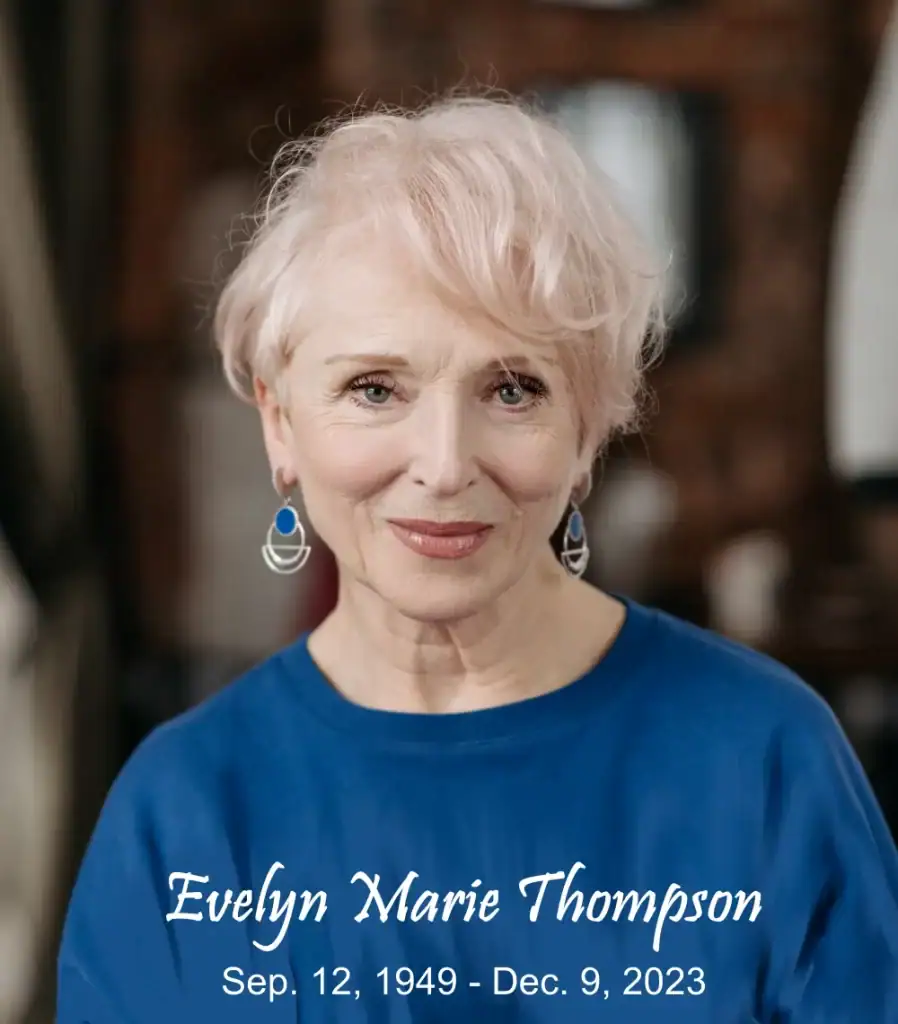
Discover the enduring impact of one woman’s remarkable life journey.
Creating Meaningful Closure Through Personalization
Funeral and memorial experiences are most healing when they reflect the life being honored. Personalization does not need to be elaborate—it simply needs to be authentic.
Examples may include:
Displaying photographs and personal items
Sharing stories during a celebration of life
Incorporating music, poetry, or cultural expressions
Creating a memory table or legacy book
Holding ceremonies in meaningful locations
These elements help families move from the pain of loss to the warmth of remembrance. Closure is not forgetting—it is integrating memory into ongoing life.

Do you work in the end-of-life care or funeral industries?
Support grieving families with the opportunity to receive compensation.
Support That Continues Beyond the Goodbye
Grief does not end after the ceremony. It changes shape over time.
Compassionate end-of-life support extends into the weeks and months that follow. This may include:
Grief counseling and support groups
Annual remembrance events
Resources for navigating emotional healing
Follow-up calls or personal check-ins
What matters most is continuing to show up. Sometimes the most healing words are simply, “You are not alone.”
Compassion as the Guiding Thread
From the final days of life to the weeks of grieving that follow, compassionate care is the thread that carries families forward. It reminds them that love remains, memory remains, and connection continues in new forms.
Guiding families from care to closure is not about having the perfect words or solutions. It is about presence. It is about honoring the life that has ended and the lives that go on.
It is about compassion—quiet, steady, human compassion.