
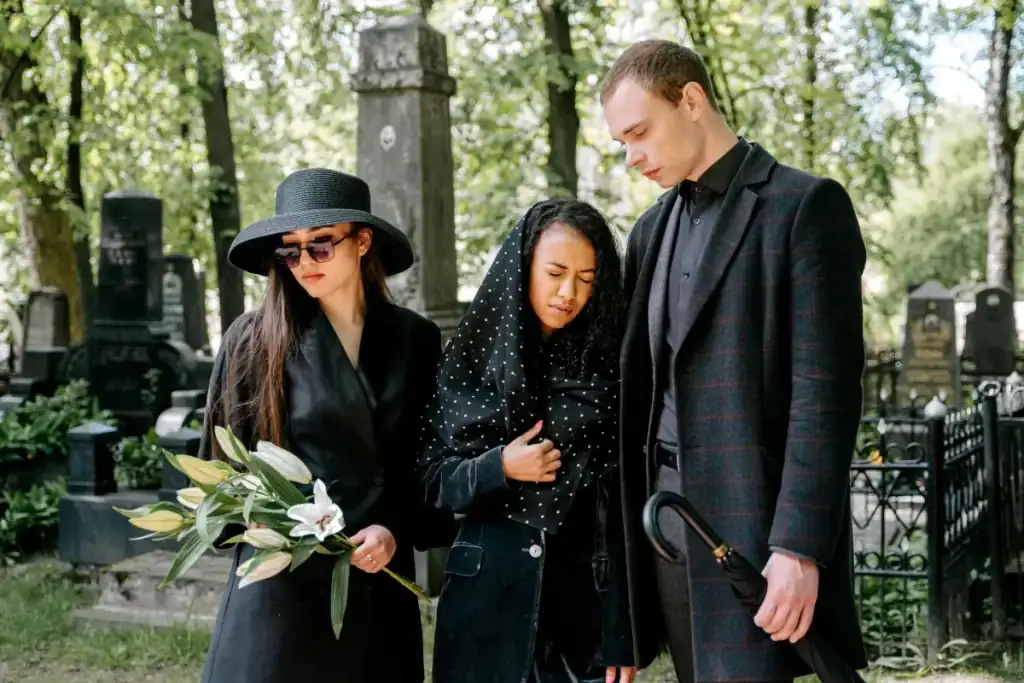
The Art of a Good Goodbye: How
End-of-Life Planning Shapes Lasting Legacies
We often think of legacy as something we leave behind—achievements, heirlooms, or our impact on others. But legacy is also shaped in how we say goodbye. A thoughtful, intentional approach to end-of-life planning can help ensure that a person’s final chapter reflects their values, relationships, and identity. It can also give families clear guidance when emotions are overwhelming and decisions feel heavy.
The art of a good goodbye isn’t about having control over every detail. It’s about creating meaning, easing burdens, and offering a foundation for healing. In many ways, end-of-life planning is an act of love—one that continues long after someone’s physical presence is gone.
Reframing End-of-Life Planning
For many people, discussions about death bring discomfort. It can feel too final, too emotional, or simply “not something to think about right now.” But waiting until the last moment can complicate the grieving process, leaving families struggling to make decisions under stress.
Reframing end-of-life planning as a life-affirming process can make the conversation more approachable. It’s not just about paperwork or logistics; it’s about asking:
What matters most to me?
How do I want to be remembered?
How can I support my loved ones after I’m gone?
What kind of goodbye feels authentic to my life?
When approached with curiosity, reflection, and compassion, these questions create clarity—not just for the individual, but for everyone who loves them.
Honor your loved ones’ memories…
– with DrawAdz custom Story Books & Creative Videos.
The Practical Benefits of Planning Ahead
End-of-life planning provides a roadmap during one of life’s most emotionally charged moments. Families are spared from making rapid decisions, from medical treatments to funeral arrangements. Instead, they can focus on being present—with their loved one and with each other.
Key benefits include:
1. Reduced Stress and Uncertainty
When wishes are documented, families don’t have to guess what their loved one would have wanted. This prevents conflict and regret.
2. Financial Clarity
Planning allows individuals to make cost-sensitive choices that align with their values rather than decisions made under emotional distress.
3. Honoring Personal Values
People can choose how they want their body cared for, what traditions or cultural elements to include, and how they want to be remembered.
4. Space for Meaningful Goodbyes
When logistics are handled, families have more time to share stories, reflect, and connect.
By preparing ahead, the final chapter becomes less about crisis management and more about presence and love.

Have a custom Story Book or Commemorative Video made to honor your loved one … Celebrate the journey of that special person who has now passed away.
The Emotional and Spiritual Dimensions of a Good Goodbye
A thoughtful farewell does more than honor a life—it supports the emotional and spiritual journey of those who grieve.
When families have space to participate in rituals, storytelling, and reflection, they are better able to integrate their grief. Ceremonies—whether traditional funerals, celebrations of life, or intimate gatherings—serve as a bridge between the life once shared and the new reality of living without someone.
The act of goodbye helps answer a fundamental emotional need:
to recognize that the love and meaning shared do not end, even when life does.
A meaningful goodbye might include:
Playing favorite music or songs tied to memories
Sharing stories that capture personality and humor
Incorporating cultural, religious, or family traditions
Creating keepsakes, memory tables, or memorial objects
Choosing locations with personal significance
These choices become part of legacy—not just how someone is remembered, but how others carry that memory forward.
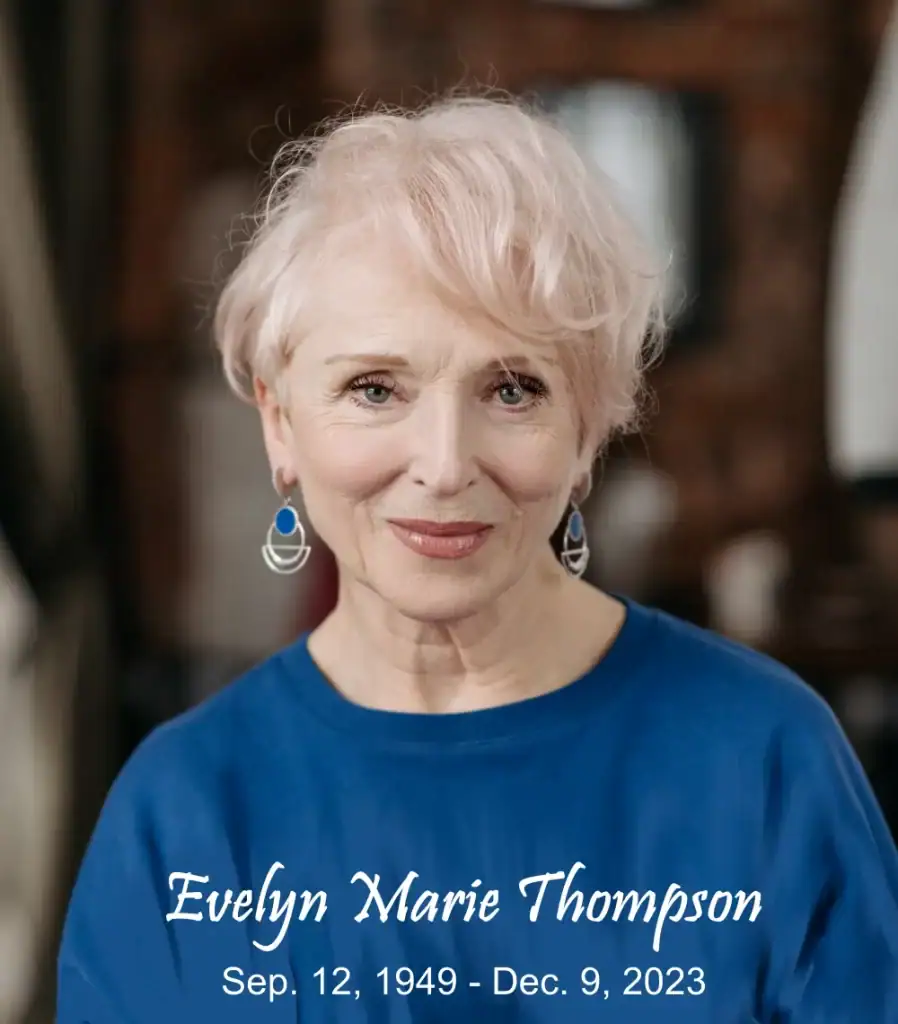
Discover the enduring impact of one woman’s remarkable life journey.
Legacy as an Ongoing Relationship
Legacy is not static. It evolves through the lives of those who remember.
A well-planned goodbye invites loved ones to stay connected through:
Annual remembrance rituals
Charitable donations in a name
Photo albums, journals, or digital memory spaces
Living memorials such as gardens or dedicated projects
Shared values passed down through stories
In this way, legacy becomes a living conversation—a dynamic thread running through generations.
End-of-life planning helps ensure that this legacy is intentional, guided by the person it reflects.

Do you work in the end-of-life care or funeral industries?
Support grieving families with the opportunity to receive compensation.
How to Begin the Conversation
Starting the dialogue about end-of-life wishes does not need to be an overwhelming task. It can begin gently, with a single question or shared moment.
Here are supportive ways to open the conversation:
“I’ve been thinking about what matters most to me—can I tell you about it?”
“I want to make things easier for you someday. Would you help me talk through some ideas?”
“What would a meaningful goodbye look like for you?”
There is no “perfect time.” The best time is simply before the decisions are urgent.
Professional support—from hospice teams, funeral directors, celebrants, or end-of-life doulas—can help guide families through options, paperwork, and planning conversations with care.
Creating a Legacy of Intention and Compassion
A good goodbye does not remove grief. It does not prevent loss. But it does create support for healing.
When end-of-life planning is done with thoughtfulness and love, it becomes:
A gift to those we leave behind
A statement of values
A continuation of identity
And a meaningful part of the legacy we shape
The art of a good goodbye reminds us that death is not only an ending—it is also a reflection of the life lived, the love shared, and the stories that will continue.
We cannot choose how long we have, but we can choose how we leave.
And in doing so, we can help those we care about remember us not with confusion or pain—but with clarity, gratitude, and peace.