
Redefining End-of-Life Care: Building Bridges
Between Hospice, Funeral, and Memorial Services
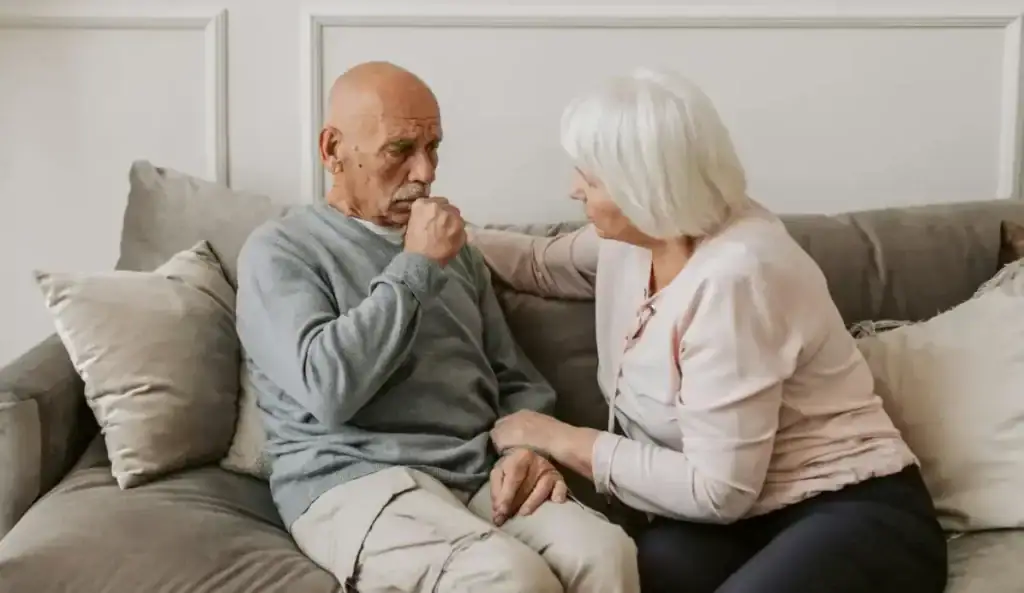
End-of-life care is often described as a journey, but for many families it can feel more like a maze. They move from hospice to funeral arrangements to memorial services—each step involving new people, unfamiliar decisions, and emotional exhaustion. Yet the experience doesn’t have to be fragmented. A growing movement is working to bring hospice care, funeral service providers, and memorial planners into closer collaboration, forming a continuum of care that supports both the dying and the grieving with compassion, clarity, and dignity.
This holistic approach not only eases stress for families, but also honors the emotional reality of loss—recognizing that saying goodbye is not a single moment, but an unfolding process of love, remembrance, and meaning-making.
Understanding the Continuum of Care
Traditionally, hospice programs are dedicated to providing comfort and quality of life for individuals with life-limiting illnesses. Their focus is on emotional, physical, and spiritual support during the final phase of life. Once the person passes, the family then turns to funeral professionals, who guide them in caring for the body, planning ceremonies, and navigating legal and logistical matters. Memorial service providers—whether clergy, celebrants, or event planners—create the environment for remembrance and storytelling.
Each role is vital. But when these services operate in isolation, families may feel they are being passed from one system to another, needing to retell their story and revisit their grief repeatedly. That emotional disconnection can intensify feelings of confusion and loss.
When hospice, funeral, and memorial professionals work together, however, they create continuity. Families experience care that feels seamless—supported by a team that understands the person being honored, their values, and the emotional needs of those grieving.
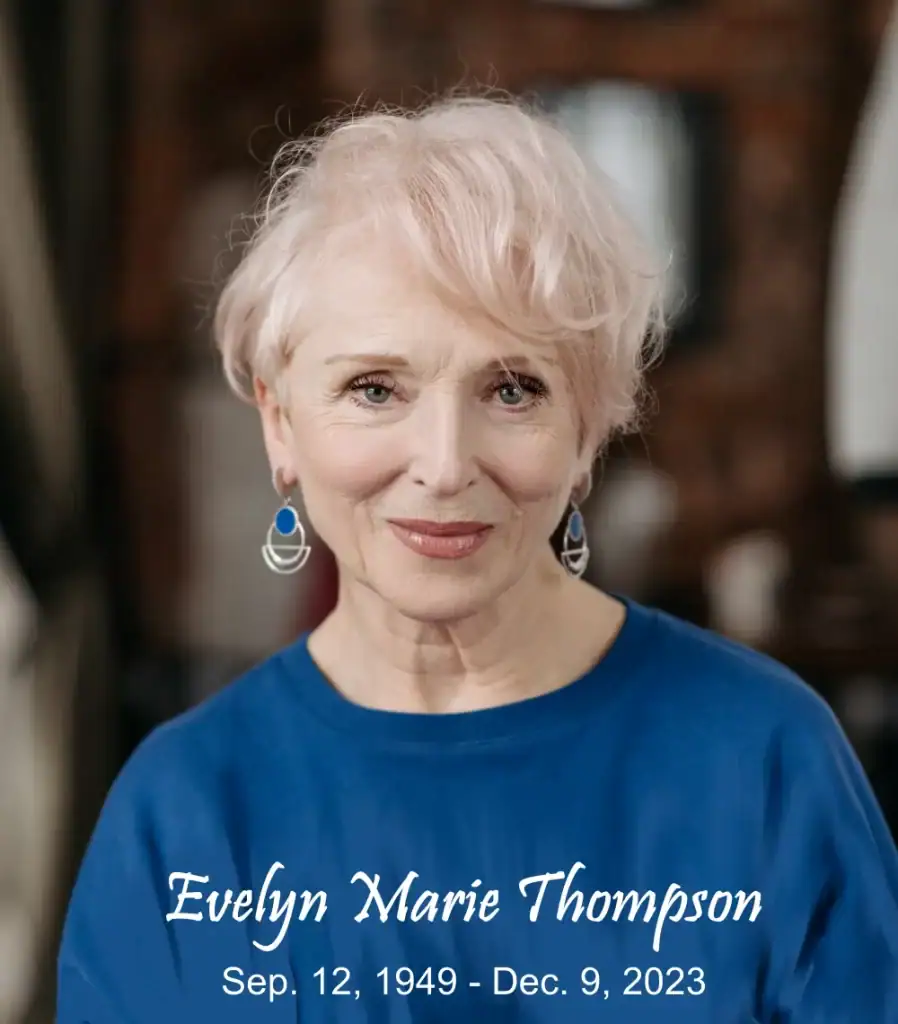
Honor your loved ones’ memories…
– with DrawAdz custom Story Books & Creative Videos.
The Emotional Benefits of Collaboration
Loss is not simply an event—it is an emotional landscape. Families navigating grief often need reassurance, compassionate listening, and stability. Collaboration between end-of-life providers creates:
1. Consistency of Care
Families are less likely to feel overwhelmed when familiar faces guide them through each phase.
2. Emotional Validation
Hospice workers often build meaningful relationships with both patients and families. When those insights are shared with funeral and memorial professionals, the farewell becomes more personal and authentic.
3. Reduced Decision Fatigue
The end-of-life period involves a surprising number of decisions—from medical choices to funeral arrangements. Working collaboratively allows services to anticipate needs rather than react to them.
4. Support for Healthy Grieving
Ritual, storytelling, and remembrance are essential to healing. When providers are aligned, they create a well-supported space for meaningful closure.

Have a custom Story Book or Commemorative Video made to honor your loved one … Celebrate the journey of that special person who has now passed away.
Honoring the Person, Not Just the Process
At the heart of this bridge-building is a simple but profound idea: people deserve to be remembered as they lived.
When hospice staff share insights about the patient’s passions, personality, or beliefs, it helps funeral directors and celebrants craft ceremonies that feel deeply personal. A memorial can transform from a standard service into a reflection of identity:
A musician’s farewell might include a playlist of their favorite songs.
A gardener’s service may feature live plants guests can take home to cultivate.
A veteran’s ceremony might include personal stories shared by fellow service members.
These details matter. They give the family something meaningful to hold on to—a narrative thread connecting the end of life with the life that was lived.
Discover the enduring impact of one woman’s remarkable life journey.
Practical Steps for Building Collaboration
Professionals across hospice, funeral, and memorial fields can begin working together in simple but impactful ways:
Regular Communication
Hospice teams can introduce families to funeral and memorial professionals before death occurs, fostering familiarity and easing anxiety.
Shared Educational Workshops
Joint seminars, grief groups, or informational sessions help communities understand their options in advance—reducing crisis decision-making.
Personalized Care Profiles
Hospice teams can create life summary or value profiles that funeral and memorial professionals can use to craft personalized services.
Community Resource Networks
By building referral and partnership networks, providers can ensure families receive consistent, supportive care every step of the way.

Do you work in the end-of-life care or funeral industries?
Support grieving families with the opportunity to receive compensation.
Toward a More Compassionate Future in End-of-Life Care
End-of-life care is evolving. More families are seeking experiences that are less clinical and more emotionally connected—less about formality and more about meaning. The future of this field lies in communication, collaboration, and shared compassion.
By bridging hospice, funeral, and memorial services, we acknowledge that death is not merely an end. It is a transition—one that deserves to be supported with dignity, continuity, and love.
When families feel truly cared for through the entire arc of end-of-life and remembrance, we not only ease grief—we help transform it into something purposeful and human.