
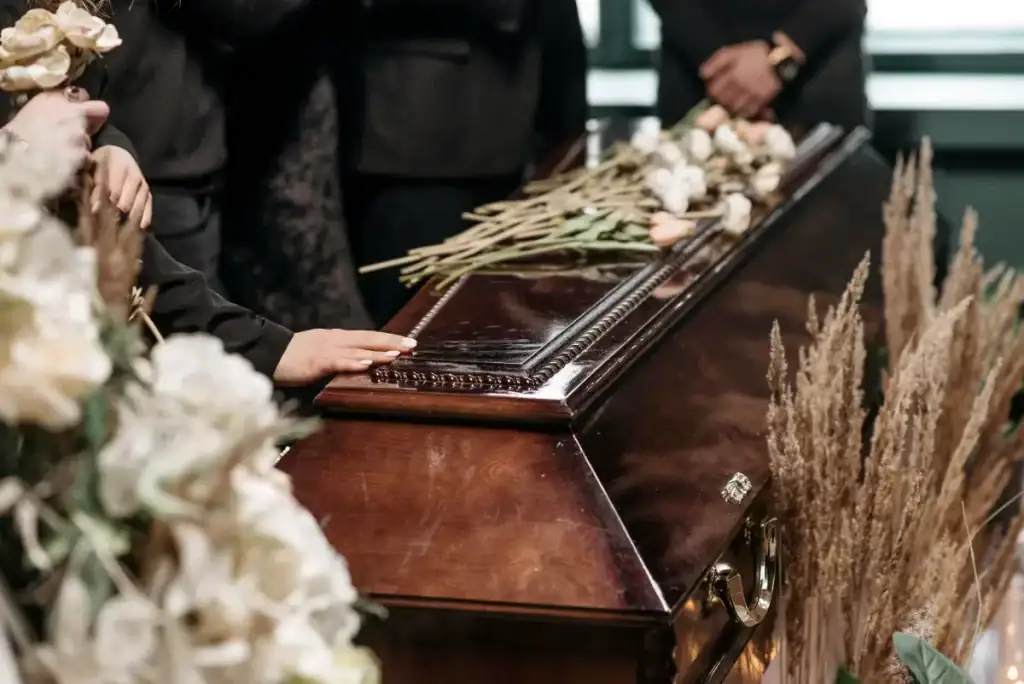
Sustainable Funerals: Meeting Today’s
Demand for Eco-Friendly End-of-Life Options
In an era defined by environmental awareness, sustainability has become part of nearly every aspect of modern life—from the food we eat to the homes we build. Increasingly, that awareness now extends to how we say goodbye.
The concept of sustainable funerals—sometimes called green funerals or eco-friendly end-of-life options—is reshaping how families and professionals approach burial and cremation. These practices aim to reduce environmental impact while honoring life in meaningful, personal ways.
As people seek to live responsibly, it’s no surprise they also want their final act on Earth to reflect the same values.
Why Sustainability Matters—Even in Death
Traditional funeral practices, while deeply rooted in history and culture, often involve materials and processes that can be harsh on the environment. Conventional embalming fluids contain formaldehyde and other chemicals that can seep into the soil. Standard caskets are often made from hardwoods or metal that take decades—or even centuries—to break down. Cement vaults, frequently required in cemeteries, further slow natural decomposition.
Cremation, while seen as an alternative, carries its own ecological costs. The process uses significant energy and releases carbon dioxide and trace metals into the atmosphere.
For environmentally conscious individuals, these realities have sparked a growing demand for greener options—choices that align with values of conservation, simplicity, and renewal.
The Rise of Green Burials
One of the most prominent sustainable alternatives is the green burial. This approach returns the body to the earth as naturally as possible.
In a green burial:
No embalming chemicals are used, allowing natural decomposition.
Biodegradable caskets, shrouds, or urns made from materials like wicker, bamboo, seagrass, or untreated wood are chosen.
Vaults or liners are avoided, reducing concrete and metal use.
Natural cemeteries are designed to preserve ecosystems—often with native plants and minimal landscaping.
These burials emphasize simplicity and environmental stewardship. Families often find comfort in knowing their loved one’s final resting place contributes to the renewal of nature rather than its depletion.
Many green cemeteries also function as wildlife preserves, offering walking trails and native vegetation that create spaces of beauty and reflection. In this way, the act of burial becomes part of life’s natural cycle rather than an interruption of it.
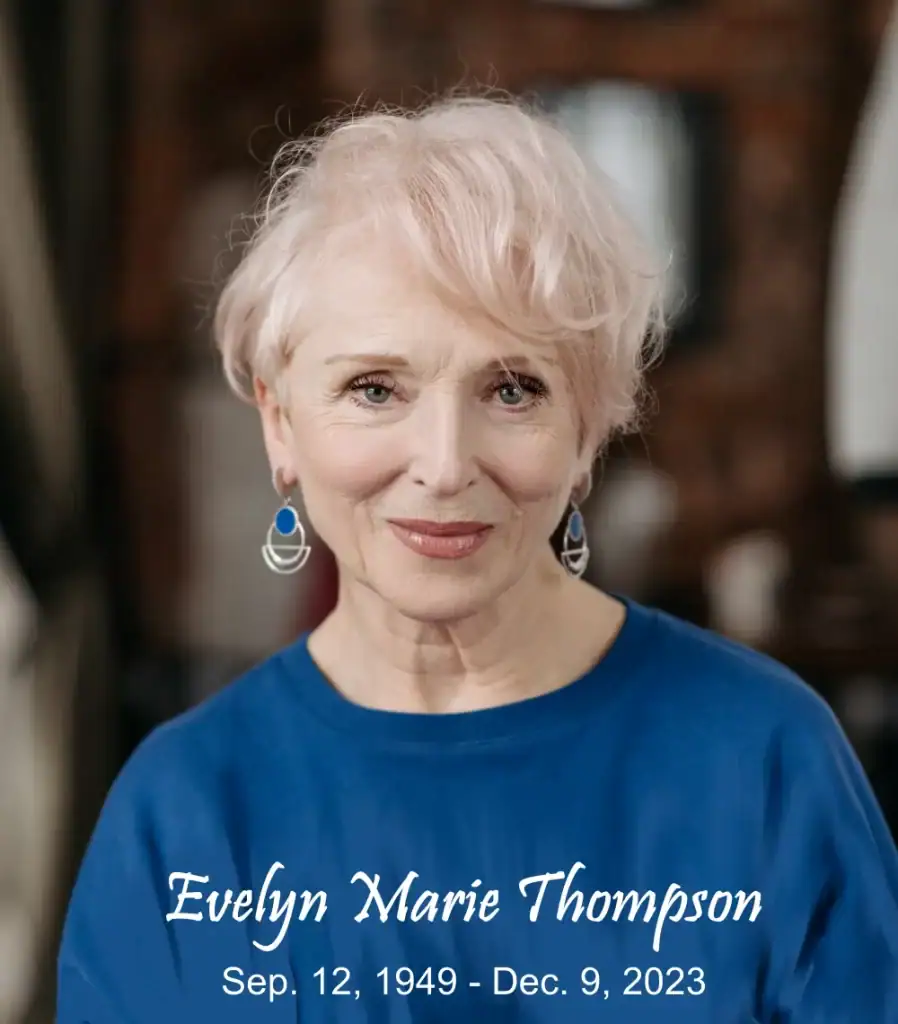
Honor your loved ones’ memories…
– with DrawAdz custom Story Books & Creative Videos.
Eco-Friendly Cremation Options
For those who prefer cremation, several eco-conscious alternatives are emerging.
1. Water Cremation (Alkaline Hydrolysis):
Also known as aquamation or resomation, this method uses a combination of water, heat, and natural alkali to accelerate the body’s return to its basic elements. The process uses significantly less energy than flame cremation and produces no airborne emissions.
2. Bio-Cremation Memorials:
Some families incorporate ashes into sustainable memorials—such as planting trees, coral reef restoration projects, or biodegradable urns that grow into plants. These creative expressions allow loved ones to become part of something living and enduring.
3. Carbon Offsetting and Clean Energy Initiatives:
Certain crematories are investing in renewable energy sources and carbon offset programs, aligning their services with broader sustainability goals.

Have a custom Story Book or Commemorative Video made to honor your loved one … Celebrate the journey of that special person who has now passed away.
Natural Organic Reduction: The Frontier of Green Farewells
An emerging innovation in the U.S. and parts of Europe is natural organic reduction—also known as human composting. This process transforms the body into nutrient-rich soil through controlled decomposition in a specialized vessel.
Over several weeks, heat, moisture, and oxygen facilitate natural microbial activity, producing soil that can nourish gardens or be returned to nature.
Though still gaining legal approval in various states, this method has become a compelling choice for people who wish to leave behind a legacy of renewal—literally giving life back to the earth.
Sustainable Memorialization and Keepsakes
Sustainability extends beyond the funeral or burial itself. Families are rethinking how they memorialize loved ones in ways that honor both memory and the planet.
Eco-friendly memorial ideas include:
Tree-planting dedications or memorial forests.
Upcycled art or jewelry made from biodegradable materials.
Digital memorials, reducing paper use for programs and guest books.
Living tributes, such as gardens or charitable contributions supporting environmental causes.
These gestures provide enduring connections while promoting ecological mindfulness. They also shift the focus from consumption to contribution—an act of remembrance that continues to give back.
Discover the enduring impact of one woman’s remarkable life journey.
The Role of Funeral Professionals in the Green Transition
As interest in sustainable funerals grows, funeral directors and care professionals are at the forefront of guiding families through these new possibilities.
They help educate clients about:
Legal and cemetery requirements for green burials.
Available eco-certified products and suppliers.
Environmental regulations surrounding cremation and organic reduction.
Balancing cultural, religious, and ecological preferences.
Many funeral homes are also taking steps toward sustainability themselves—reducing waste, adopting renewable energy, and offering greener product lines.
For professionals, this isn’t just about meeting consumer demand; it’s about redefining compassion to include care for both people and planet.

Do you work in the end-of-life care or funeral industries?
Support grieving families with the opportunity to receive compensation.
Balancing Tradition and Innovation
Choosing an eco-friendly end-of-life option doesn’t mean abandoning tradition. Many families find ways to combine meaningful customs with sustainable practices.
For example, a traditional service can still include biodegradable flowers or digital programs instead of printed ones. Religious rites can be honored in natural settings. Even traditional cemeteries may allow eco-conscious sections or vault-free plots.
Sustainability and spirituality can coexist beautifully—each honoring the sacredness of life, death, and the world that sustains us all.
A Legacy That Lives On
Ultimately, sustainable funerals reflect a deeper shift in how we think about legacy. For many, it’s no longer enough to be remembered; they also want their passing to contribute to the world’s renewal.
Eco-friendly funerals allow that vision to take root—literally and symbolically. They embody a promise: that even in death, we can nurture life.
As one advocate for green burial once said, “The earth gives us everything we need. A sustainable farewell is our way of saying thank you.”
In embracing eco-conscious end-of-life choices, families are not only caring for their loved ones—they’re caring for generations yet to come.