
From Ceremony to Healing:
The Essential Role of Funerals in Grief Support
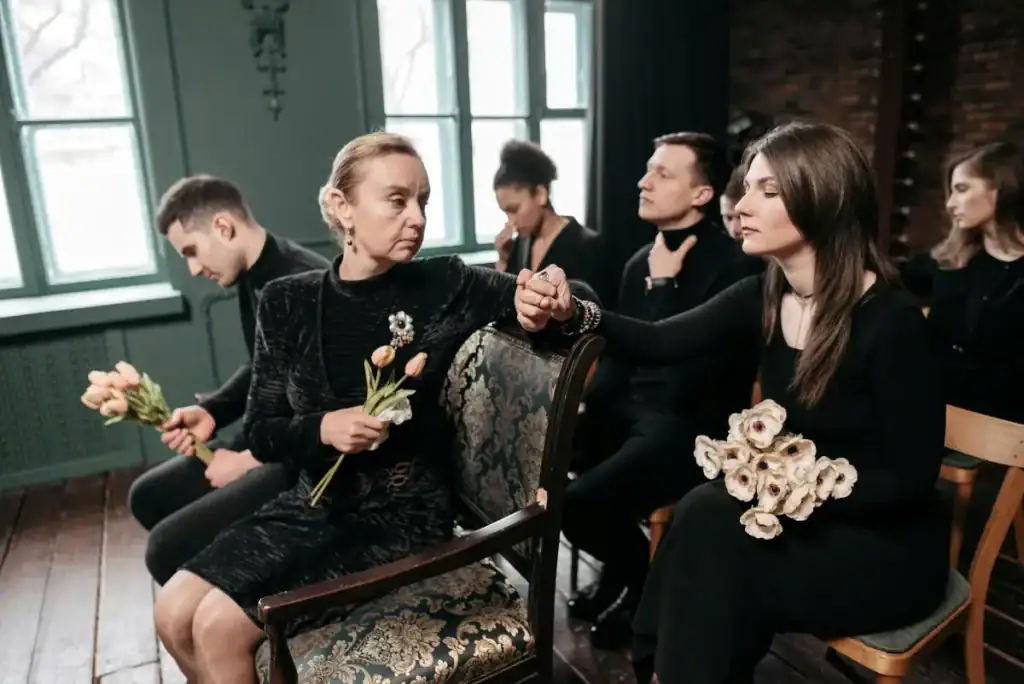
When someone we love dies, grief can feel overwhelming—an invisible weight pressing on the heart and mind. In the midst of that pain, funerals provide something both simple and profound: a way to begin healing.
For centuries, funerals have served as society’s way of acknowledging loss, honoring life, and creating space for shared mourning. But their importance goes far beyond tradition or ritual. A thoughtfully planned funeral supports emotional, psychological, and even physical healing. It helps people face loss, express emotion, and connect with others who share their grief.
In today’s world—where time moves quickly and grief is often private—it’s worth rediscovering why funerals remain such an essential part of the healing process.
1. Recognizing Reality: The First Step in Healing
The first task of grief is accepting that a loss has truly occurred. As simple as that sounds, our minds and hearts often resist it. Denial, shock, or numbness can make the death feel unreal.
A funeral provides a moment of reality. Seeing the casket, the urn, or even photographs of the person creates a tangible acknowledgment that they are gone. This experience, though painful, is deeply grounding.
When family and friends gather to share stories or simply stand together in silence, they are collectively saying: This life mattered, and it has ended. That recognition, while difficult, is the foundation of healing.
Without it, grief can remain suspended—delayed or unresolved. Funerals help move the loss from the mind’s disbelief to the heart’s acceptance
Honor your loved ones’ memories…
– with DrawAdz custom Story Books & Creative Videos.
2. Creating Space for Expression
Modern life doesn’t always make room for emotions. Many people feel pressure to appear strong or “move on” quickly after a death. Yet psychologists and grief counselors agree: healthy mourning requires expression.
A funeral offers permission to feel. Tears, laughter, silence, music—all become languages of emotion. Through shared rituals, people find a way to externalize what words alone cannot express.
Whether it’s lighting candles, singing a favorite song, or telling a story that captures a loved one’s spirit, each gesture becomes a step toward emotional release.
Even the simple act of showing up—embracing a grieving friend, writing a condolence card, attending a service—helps turn private pain into shared experience. And shared experience lightens the burden.

Have a custom Story Book or Commemorative Video made to honor your loved one … Celebrate the journey of that special person who has now passed away.
3. Building Community and Connection
One of the greatest gifts of a funeral is connection. Grief often feels isolating, yet funerals remind us that we are not alone in our sorrow.
When people gather—neighbors, co-workers, childhood friends—they weave a circle of support around the bereaved. For the family, seeing how many lives were touched by their loved one can be both humbling and comforting.
In many ways, funerals are as much for the living as for the deceased. They give families a structure for support, helping them lean on others during the fragile early days of grief.
This communal aspect of mourning has deep roots across cultures. Whether through shared meals, songs, or rituals, people have always turned to one another to find meaning and endurance in the face of loss.
4. Honoring the Story of a Life
Every life tells a story—and a funeral gives that story voice. Beyond religious or formal customs, a well-crafted service captures who the person was: their passions, values, humor, and legacy.
Storytelling plays a powerful role in healing. It transforms grief from a silent ache into a narrative of love, memory, and connection. When we share what made someone unique, we shift focus from the pain of loss to the richness of their life.
Funeral directors, clergy, celebrants, and family members all contribute to this storytelling. The ceremony becomes not just an event, but a reflection—a chance to celebrate identity, history, and the relationships that endure beyond death.
In this way, funerals help people hold on to love even as they let go of physical presence.
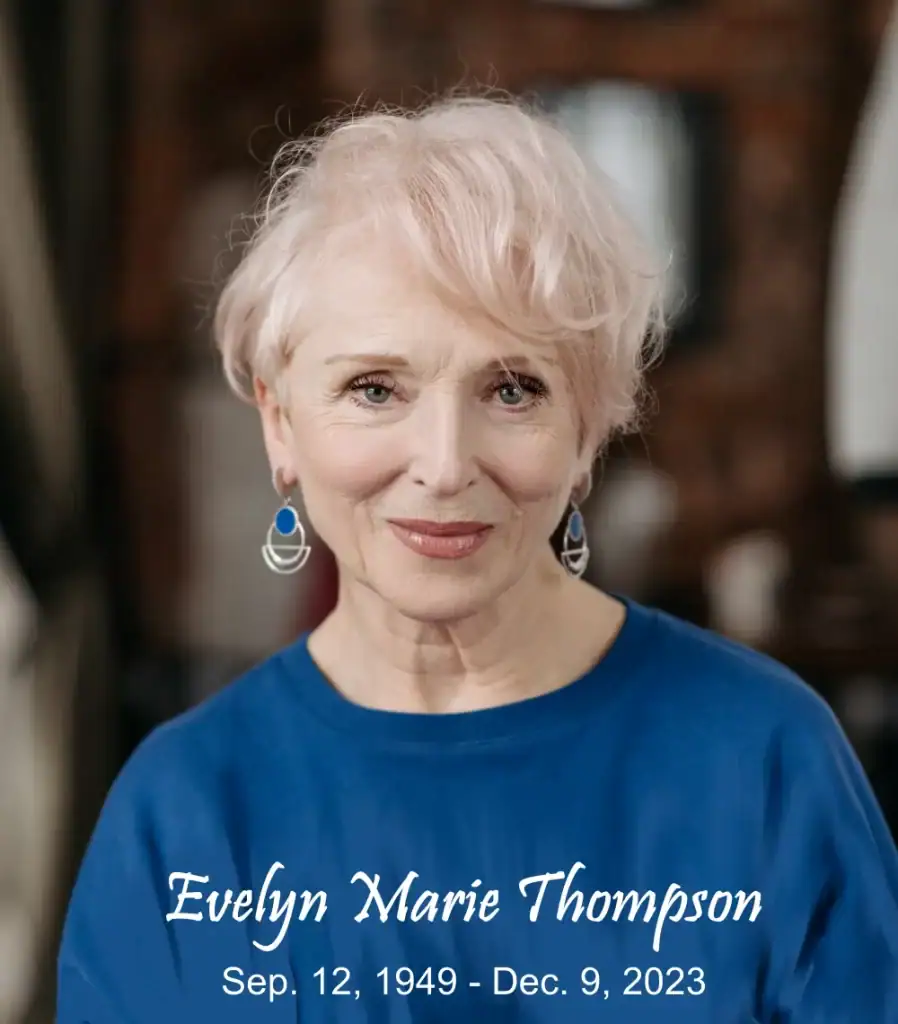
Discover the enduring impact of one woman’s remarkable life journey.
5. Ritual as a Path to Meaning
Rituals have always been a bridge between the visible and invisible. Whether ancient or modern, religious or secular, they help people make sense of the incomprehensible.
A funeral’s structure—processions, readings, moments of silence, symbols like flowers or candles—guides mourners through emotional chaos. These actions may seem simple, but they carry deep psychological significance.
They provide familiarity when everything feels unfamiliar. They give rhythm to grief, marking a beginning, middle, and end to a sacred farewell.
Even for those who are not religious, ritual can bring peace and order to loss. It reassures us that we are part of something larger—that love, memory, and community transcend death.
6. Helping the Grieving Move Forward
Healing does not mean forgetting. It means learning to carry love and loss side by side. Funerals play a key role in this transition.
They mark a moment of closure—not in the sense of ending grief, but in acknowledging its beginning. After the ceremony, mourners often describe feeling lighter, calmer, or more connected. The act of saying goodbye in a structured way helps them take the first step toward life after loss.
Research supports this: psychologists note that meaningful funerals and memorials can reduce complicated grief, depression, and isolation. They help people rebuild routines, find purpose, and continue bonds with their loved one through memory and legacy.

Do you work in the end-of-life care or funeral industries?
Support grieving families with the opportunity to receive compensation.
7. The Role of Funeral Professionals and Support Systems
Behind every meaningful ceremony is often a compassionate professional who understands the emotional landscape of grief. Funeral directors, hospice teams, clergy, and celebrants don’t just organize events—they create spaces for healing.
They guide families through difficult decisions, listen with empathy, and translate emotion into ceremony. Their work reminds us that healing begins not just with time, but with care, community, and understanding.
8. Beyond the Ceremony: Continuing the Journey
The funeral is not the end of grief—it’s the start of healing. Afterward, families often continue the process through memorial gatherings, anniversary remembrances, or community service in honor of their loved one.
Some find solace in journaling, support groups, or creative expression. Others plant trees, establish scholarships, or simply keep a loved one’s favorite tradition alive.
Each act becomes a way of continuing connection—of saying, You are still part of my story.