

The Hidden Role of Hospice in Memorial Planning:
Guiding Families with Grace and Dignity
When people think of hospice, they often imagine nurses easing pain, social workers offering comfort, or chaplains providing spiritual care during life’s final moments. What many don’t realize is that hospice’s mission of compassion extends beyond a patient’s passing. Hospice teams quietly play a profound and often hidden role in helping families prepare for, and begin, the process of memorial planning — guiding them with grace, dignity, and understanding.
Beyond the Final Breath: The Continuum of Care
Hospice care doesn’t stop when life ends. Its philosophy is rooted in the idea that both patients and families deserve care, comfort, and support through every stage of the end-of-life journey.
In the days and weeks leading up to a death, hospice teams begin preparing families for what comes next — emotionally, spiritually, and practically. This includes helping loved ones understand what to expect in the final hours, discussing after-death logistics, and gently introducing the idea of memorialization.
While hospice professionals don’t arrange funerals directly, their guidance helps families approach these decisions with calm instead of panic. They provide clarity at a time when grief can make even the simplest choices feel overwhelming.
Preparing the Heart for Farewell
One of the most meaningful ways hospice supports memorial planning is by helping families prepare emotionally for the transition from care to remembrance.
Hospice social workers and chaplains encourage open conversations about legacy — the stories, memories, and values that define a person’s life. These reflections often plant the first seeds of memorial ideas: a song that mattered, a favorite quote, a family tradition worth sharing, or a wish about how they want to be remembered.
For example, a patient might tell their nurse about their love of gardening, which later inspires their family to hand out seed packets at the funeral. Another might share a cherished poem with a chaplain, which becomes the reading at their memorial service.
In these quiet, personal moments, hospice helps families connect memory to meaning — a foundation that guides heartfelt memorial planning later.
Honor your loved ones’ memories…
– with DrawAdz custom Story Books & Creative Videos.
Offering Practical Guidance with Sensitivity
While hospice professionals focus primarily on comfort and emotional well-being, they also play an important role in helping families navigate practical realities after a death.
Social workers often provide resource lists of local funeral homes, cremation services, and grief support options. They explain what documentation is needed, how to notify providers, and what steps follow immediately after passing.
This information can make a world of difference. Without it, families might feel lost in a sea of paperwork, phone calls, and decisions. With hospice guidance, they’re equipped with clarity — and can move forward in a way that aligns with their loved one’s wishes.
Importantly, hospice staff approach these discussions with great care. They understand the emotional weight of the moment and never rush decisions. Instead, they provide reassurance: that there’s time to breathe, to reflect, and to honor their loved one thoughtfully.

Have a custom Story Book or Commemorative Video made to honor your loved one … Celebrate the journey of that special person who has now passed away.
The Emotional Bridge to Memorial Planning
Hospice also serves as an emotional bridge between loss and remembrance. Grief begins long before death, and hospice is uniquely positioned to help families begin processing it early.
Counselors and chaplains help loved ones express anticipatory grief — the sorrow that arises while a person is still alive but declining. Talking about what the person has meant to them, or how they wish to say goodbye, often leads to natural conversations about how to honor that life once it’s gone.
This emotional groundwork makes the transition into formal memorial planning smoother. Families who have already reflected on their loved one’s impact often approach funeral or celebration-of-life arrangements with a clearer sense of purpose and peace.
Honoring Dignity in Death and Memory
Hospice’s influence on memorial planning is grounded in its core values: dignity, respect, and compassion. Those values don’t end when a patient takes their final breath — they carry forward into how that life is remembered.
Hospice professionals encourage families to view memorials not just as events, but as extensions of the love and care that surrounded the person in life. Whether it’s a small gathering at home or a larger service, hospice helps families see that what matters most is authenticity — creating a farewell that truly reflects who their loved one was.
This philosophy often inspires personalized touches that make memorials more meaningful: displaying photos from hospice days filled with laughter, reading favorite stories shared during visits, or inviting hospice caregivers to attend as honored guests. Each of these choices reinforces the sense of dignity and connection that hospice upholds.
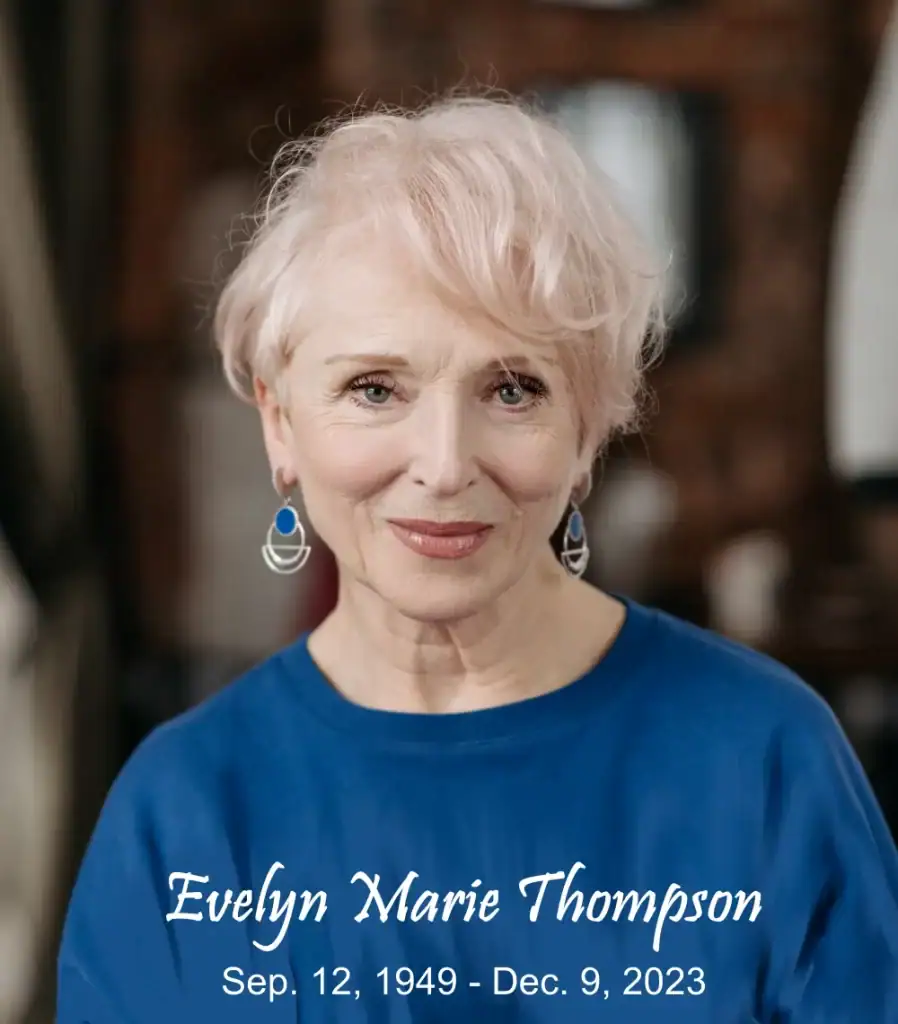
Discover the enduring impact of one woman’s remarkable life journey.
Continuing Support Through Grief and Healing
Perhaps the most overlooked contribution hospice makes to memorial planning comes after the funeral itself. Hospice bereavement programs typically continue for up to 13 months following a patient’s death, offering counseling, grief groups, and educational resources.
These programs help families process loss and adjust to life’s “new normal.” Many find that revisiting memorial themes — such as gratitude, legacy, and storytelling — helps them find comfort and healing.
By remaining present through the first year of grief, hospice ensures that families don’t face the aftermath of loss alone. This continuity of care completes the circle of compassion that began with the patient’s first day in hospice.

Do you work in the end-of-life care or funeral industries?
Support grieving families with the opportunity to receive compensation.
The Quiet Gift of Guidance
The hidden role of hospice in memorial planning is not about logistics or event management — it’s about guidance with grace. Hospice teams offer families the calm, caring presence they need to navigate one of life’s most emotional transitions.
They help transform what could be a time of chaos and confusion into a process of reflection and remembrance. They remind us that saying goodbye is not only an act of loss, but also an act of love.
By bridging the space between end-of-life care and memorial planning, hospice professionals extend their mission of dignity and compassion beyond death — helping families begin to heal while ensuring every life is remembered with the honor it deserves.
Final Reflection
Hospice care is often described as “comfort at the end of life.” But its reach extends further — into the first steps of remembrance, the first decisions made in grief, and the first glimmers of healing after loss.
Through gentle guidance, emotional support, and practical wisdom, hospice helps families craft memorials that aren’t just farewells, but beautiful continuations of a life well lived. In this way, hospice’s hidden role becomes one of its most enduring gifts: helping love find its lasting expression through memory, grace, and dignity.