
Bridging Hospice and Funeral Care:
Creating Seamless Support for Families in Transition
The Shared Purpose of Hospice and Funeral Care
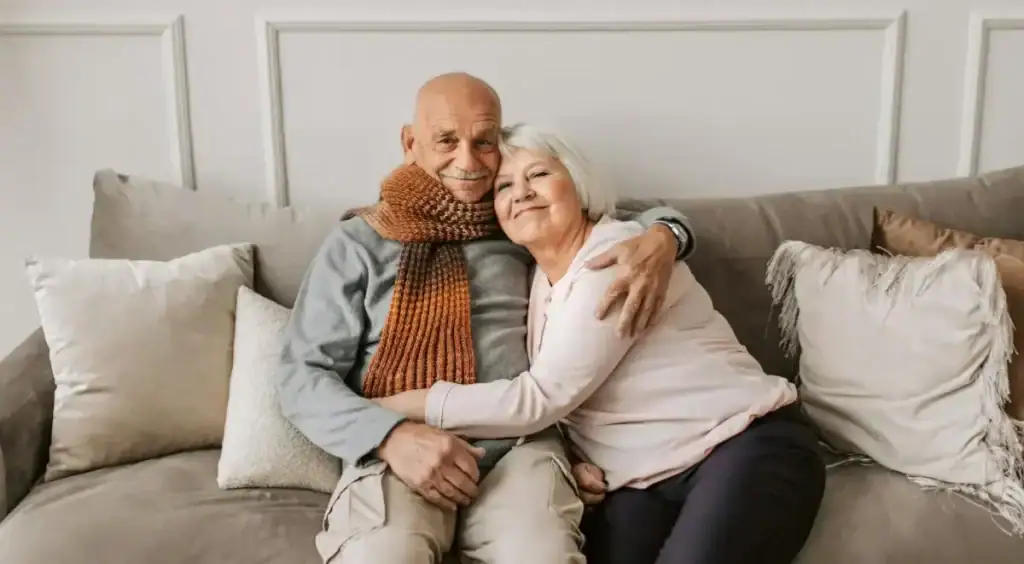
At first glance, hospice and funeral care might seem like distinct phases of end-of-life support: hospice provides comfort and dignity before death, while funeral professionals help families after. But their shared purpose is profound and unified—they both exist to honor life, provide comfort, and guide families through one of the most emotionally charged transitions imaginable.
Hospice focuses on holistic, person-centered care: managing pain, supporting emotional and spiritual well-being, and preparing families for what lies ahead. Funeral professionals, in turn, help those same families navigate the next chapter—planning ceremonies, caring for the body, handling logistics, and creating spaces for remembrance and healing.
Together, they ensure continuity of compassion. Instead of care “ending” when life ends, it flows seamlessly into the rituals and remembrance that help families begin to heal.
Where Compassion Overlaps
The final days of hospice care are deeply personal. Families may be physically and emotionally exhausted, struggling to accept what’s coming. When hospice teams introduce conversations about after-death planning early—without pressure, but with care—it helps remove fear from the unknown.
Hospice social workers and chaplains often play key roles here. They can gently guide families to begin thinking about funeral wishes, preferred funeral homes, or spiritual needs. Sometimes this means facilitating introductions to trusted funeral directors, ensuring that when the time comes, no one feels lost or unprepared.
Likewise, funeral professionals who understand hospice philosophy approach their work with sensitivity to what families have already experienced. They know how to listen without rushing, how to respect the emotional space families need, and how to honor the relationships and rituals established in hospice care.
This mutual awareness creates continuity—an invisible but powerful thread connecting the care before death to the care after.
Communication as the Bridge
Honor your loved ones’ memories…
– with DrawAdz custom Story Books & Creative Videos.
The bridge between hospice and funeral care is built on one essential foundation: communication.
When hospice teams and funeral directors maintain open, professional lines of communication, families experience less stress and confusion. Clear coordination ensures that the transition from bedside to arrangement office is handled with respect and sensitivity.
For example, hospice staff can notify funeral homes when death occurs, verify paperwork, and support the family with initial calls—saving them from logistical strain during their first moments of grief. Funeral directors, in turn, can arrive prepared with an understanding of the patient’s circumstances, religious preferences, and family dynamics—details that make each interaction more personal and less procedural.
In many communities, hospices and funeral homes even collaborate through educational programs, shared resource guides, or grief support groups. This kind of partnership deepens trust and ensures that both organizations remain focused on their shared mission: serving families with compassion and clarity.

Have a custom Story Book or Commemorative Video made to honor your loved one … Celebrate the journey of that special person who has now passed away.
Helping Families Navigate Emotional Transitions
The transition from hospice to funeral care is not just administrative—it’s profoundly emotional. Families who have spent weeks or months focused on caregiving suddenly face silence, absence, and decision-making.
This is where seamless support truly matters. Hospice bereavement counselors often continue to check in after a patient’s passing, offering grief resources or referrals. When funeral directors reinforce those same supports—by recommending counseling, hosting remembrance events, or following up with kindness—the family feels held rather than abandoned.
The two services, when aligned, provide a continuum of emotional care that can ease the trauma of loss. Together, they affirm that death may end a life, but not the love, memory, or meaning that life created.
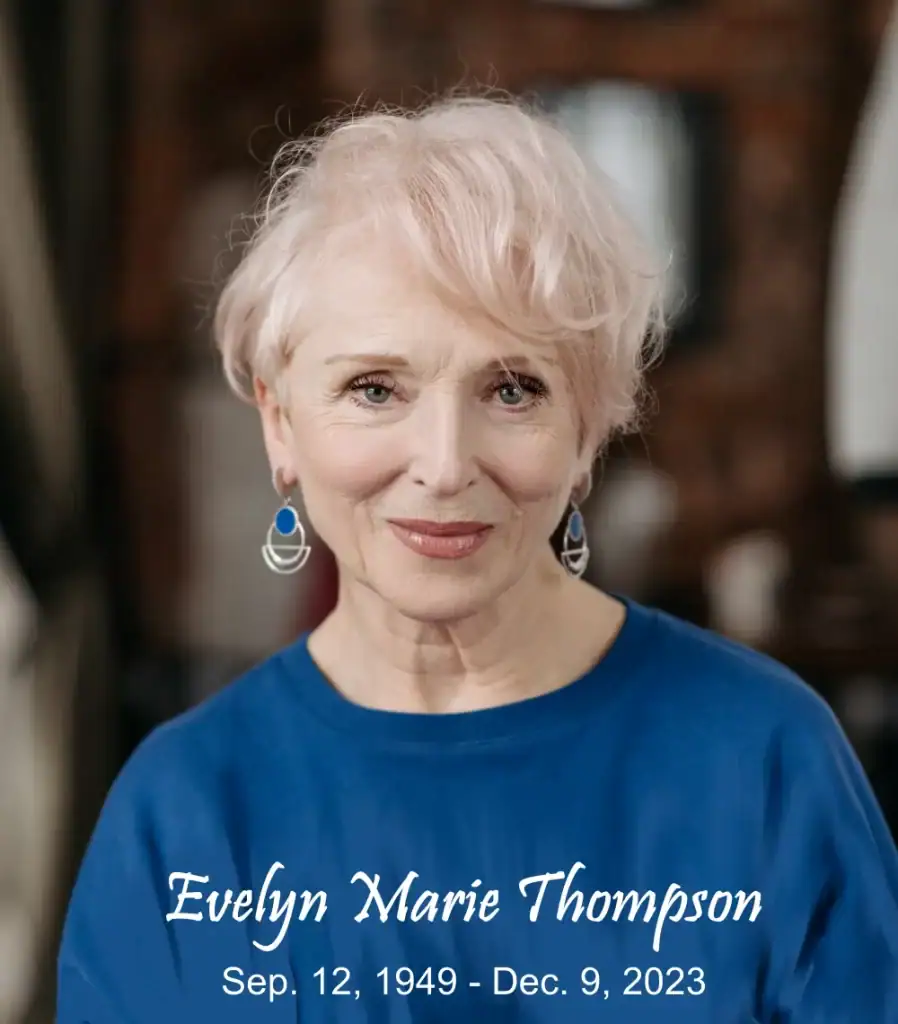
Discover the enduring impact of one woman’s remarkable life journey.
Creating Personalized Continuity
Every person’s end-of-life journey is unique, and seamless support means honoring that individuality. When hospice and funeral professionals collaborate, they can tailor experiences that reflect the patient’s values and wishes from beginning to end.
For example:
A hospice chaplain might coordinate with a funeral celebrant to incorporate favorite readings or rituals.
A hospice volunteer might share stories or music preferences that inform a more personal memorial service.
A funeral director might integrate elements of the hospice’s care philosophy—such as gratitude or reflection—into the funeral program or eulogy.
These shared details make remembrance authentic. They ensure that the care given in life continues to shape how that life is honored in death.

Do you work in the end-of-life care or funeral industries?
Support grieving families with the opportunity to receive compensation.
Challenges and Opportunities for Better Collaboration
Of course, building strong hospice-funeral partnerships isn’t without challenges. Privacy regulations, differing organizational structures, and lack of formal referral systems can sometimes create gaps.
Yet, opportunities abound. Joint education, community outreach, and mutual respect can bridge those gaps. By meeting regularly, sharing resources, and standardizing compassionate handoff practices, both hospice and funeral professionals can improve the experience for every family they serve.
Many forward-thinking organizations are already doing this—creating “continuum of care” networks that ensure no family faces the transition between hospice and funeral alone.
A Continuum of Compassion
Ultimately, bridging hospice and funeral care is about more than process—it’s about philosophy. It’s about recognizing that love and care don’t end with a final heartbeat. They evolve, carried forward by those who remain.
When hospice and funeral professionals work hand in hand, they create a continuum of compassion that supports families not just in death, but in life’s ongoing story. From the final moments of comfort to the first moments of remembrance, they help transform grief into gratitude, sorrow into meaning, and endings into new beginnings.
Final Reflection
The transition from hospice to funeral care marks a sacred threshold—one that demands both professional skill and human tenderness. By working together, hospice and funeral providers can offer families something beyond services: they offer peace, continuity, and the assurance that every step of the journey, from care to farewell, is guided by compassion.